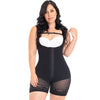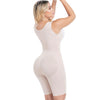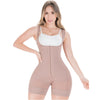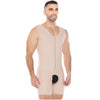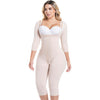
Full Body Faja: When You Need Full Coverage and How to Choose the Right One
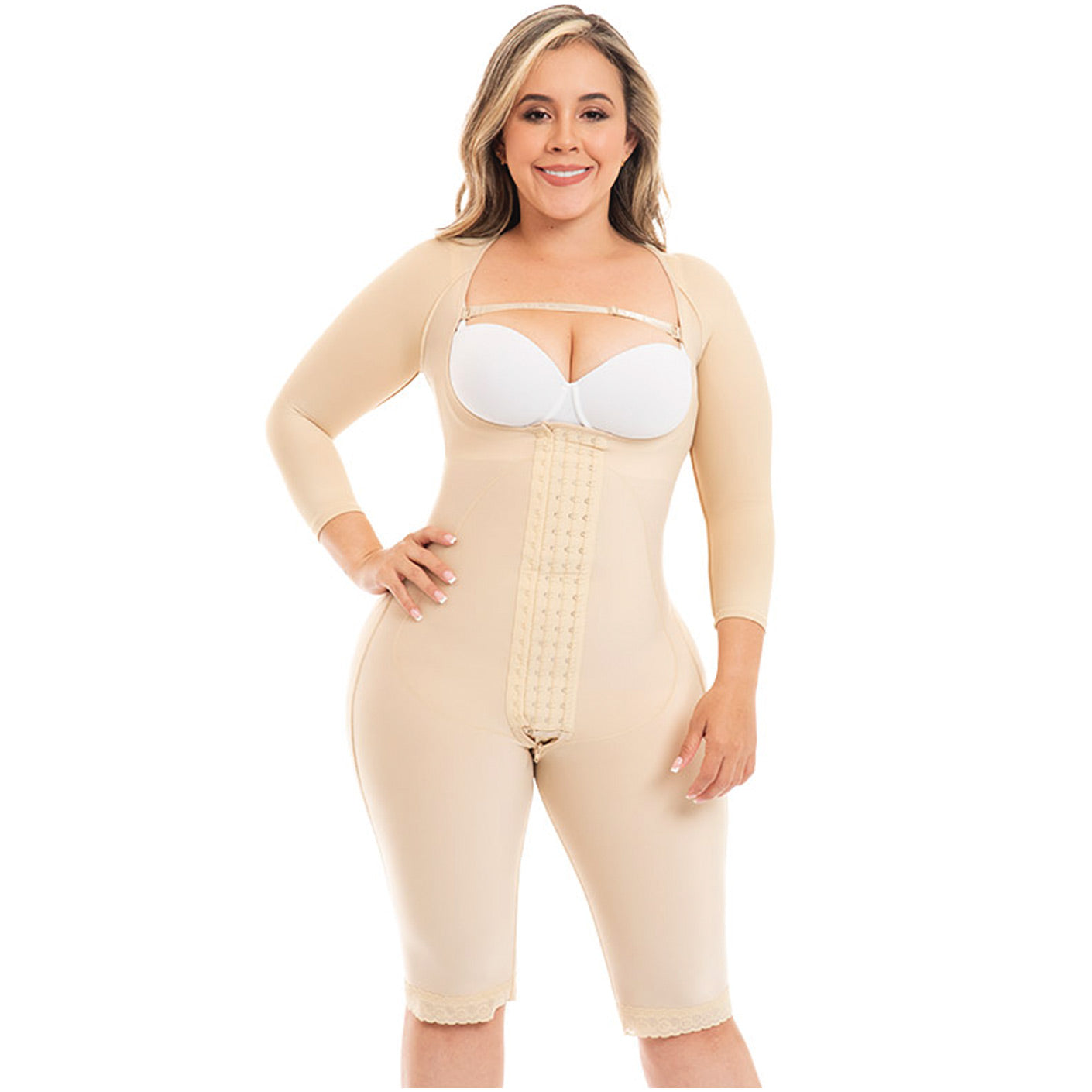
A full body faja is different. While waist-focused or mid-thigh fajas work for targeted shaping, sometimes you need coverage from chest to knee — seamless smoothing from top to bottom.
Whether you're recovering from a comprehensive surgical procedure, managing postpartum changes across your entire torso, or seeking full-body contouring for a special event, choosing the right full body faja matters. This guide walks you through coverage styles, comfort considerations, and exactly when you should reach for full-body support instead of a shorter option.
When Do You Actually Need a Full Body Faja?
Not every woman needs a full body faja. The right choice depends on your goals and what your body is recovering from.
Choose a full body faja if:
- You had a comprehensive surgical procedure: 360-degree liposuction, full mommy makeover (abdomen + flanks + back + thighs), or body contouring that spans multiple body zones. You need top-to-bottom compression to support healing and manage fluid.
- You're experiencing significant postpartum changes: Some mothers experience loose skin and sagging not just at the abdomen but across the back, sides, and thighs. A full body faja provides comprehensive support to all areas simultaneously.
- You want seamless shaping from chest to thigh: For special events (weddings, galas, photoshoots), a full body faja eliminates visible panty lines, back bulges, and thigh jiggle all at once.
- You struggle with back or flank bulges: Shorter fajas focus on the front abdomen; full body designs extend around the sides and back, targeting love handles and mid-back softness that waist fajas miss.
- You prefer one garment instead of layering: Instead of wearing a waist faja plus thigh compression separately, a full body does it all in one piece.
A shorter faja (waist or mid-thigh) might be enough if:
- You're recovering from a focused procedure (liposuction on abdomen only, or small flank areas)
- Your postpartum concerns are mainly abdominal (not thighs or back)
- You prefer lighter coverage for daily wear
- You need maximum mobility and minimal fabric
"A full body faja changed everything for me. I didn't realize how much sagging I had across my entire torso until I wore one and saw the difference from chest to thighs." – Jennifer, postpartum mother.
Full Body Faja Coverage Styles Explained
Full body fajas aren't one-size-fits-all. There's variation in how much coverage you get. Here are the main styles:
| Coverage Style | Coverage Zones | Best For |
|---|---|---|
| Full Torso to Mid-Thigh | Chest/bust to mid-thigh; includes full back, sides, and front abdomen | Most popular. Comprehensive support without extending too far down the leg. Works for most body types and recovery needs. |
| Full Torso to Knee | Chest to just below the knee; includes thigh and calf compression | 360-degree liposuction, full body procedures, significant thigh sagging, or when full leg coverage is medically recommended. |
| Open Bust vs. Closed Bust | Open-bust: waistline down to mid-thigh. Closed-bust: full coverage including chest/breasts | Choose open-bust if breasts don't need compression; choose closed-bust for surgical procedures involving the breast area or maximum torso smoothing. |
| High Back vs. Low Back | High-back: extends to shoulder blade level. Low-back: stops at mid-back or lower back | High-back if you have back bra bulge or mid-back sagging. Low-back if you prefer less shoulder coverage or plan to wear sleeveless/low-back tops. |
Comfort Considerations: Wearing Full Body Fajas Daily vs. Medical Use
Full body fajas are more restrictive than shorter options. The extended coverage means more fabric, more compression, and less freedom of movement. Comfort strategy depends on whether you're wearing for medical recovery or everyday shaping.
For Post-Surgical or Postpartum Recovery (Medical Use):
- Wear duration matters: Most surgeons recommend 12–23 hours daily for 4–6 weeks post-op, then transitioning to daytime wear. Don't push toward 24-hour wear with full body fajas — your skin and body need nighttime breaks.
- Layering underneath: Wear a thin cotton tank or camisole under your full body faja to prevent skin irritation and reduce friction during extended wear.
- Bathroom access: Look for open-gusset designs (crotch opening) for easier toileting without removing the entire garment.
- Ventilation matters: Full body fajas trap more body heat. Choose breathable, moisture-wicking fabrics to prevent sweat buildup.
- Start with adjustable compression: If your faja has hook-and-eye closures or adjustable panels, start with loose settings and gradually tighten as your body tolerates it.
For Everyday Shaping or Special Events:
- Wear time is shorter: 4–8 hours is typical for everyday wear, up to 12 hours for special events. Your body doesn't need 24-hour compression for non-medical reasons.
- Choose lighter compression: Medical fajas run 35–45 mmHg; everyday full body fajas are typically 20–30 mmHg for comfort without sacrificing results.
- Seamless construction is key: For event wear under fitted clothing, seamless fajas prevent visible lines. Look for flat-lock seams and smooth panels.
- Movement and sitting: Test the faja while sitting and bending. Can you sit comfortably for 2+ hours? Can you breathe without restriction? If not, it's too tight for all-day wear.
How to Put On a Full Body Faja (Solo Strategy)
Putting on a full body faja by yourself takes practice, but it's doable. Here's the technique:
Step 1: Start at the bottom
Sit on a bed or chair. Pull the faja up your legs like you would pull up pants, one leg at a time. Get it to your mid-thigh or waist first.
Step 2: Stand and wiggle it up
Stand slowly and use side-to-side hip movements to shimmy the faja up past your hips and to your waist. This takes more effort than shorter fajas due to the extended fabric.
Step 3: Secure the lower half first
If your faja has closures (hooks, zippers, or snaps), start from the bottom and work upward. This prevents bunching and ensures even compression.
Step 4: Extend arms and secure the upper half
Slip your arms in (if it's a closed-bust style), pull the back up over your shoulders, and fasten closures from the bottom of the back upward. The high-back area is the last to secure.
Step 5: Adjust for comfort
Stand in front of a mirror and adjust so the garment sits evenly, without twists or gaps. The compression should feel snug but not painful or difficult to breathe in.
Pro tip: If your faja has a long zipper down the front or side, use that instead of hooks. Zippers are much faster and easier to manage solo.
Can You Wear a Full Body Faja Every Day?
Short answer: not typically, especially at full compression.
Extended daily wear (more than 12 hours) of a full body faja can lead to:
- Skin irritation: Moisture buildup, chafing, and fungal growth from prolonged compression and sweat
- Muscle dependency: Your core muscles may weaken if your faja is doing the work 24/7
- Circulation issues: Compression worn too long can restrict blood flow and lymphatic drainage
- Discomfort during activities: Sitting, eating, exercising, or bending is more restricted with full body coverage
Healthy daily wear guidelines:
- Daytime wear: 6–10 hours daily in lighter compression (20–30 mmHg) is sustainable long-term
- Medical recovery wear: 12–16 hours for the first 4–6 weeks; then transition to daytime-only wear
- Event wear: 4–8 hours for special occasions
- Always remove at night: Sleep without compression to let your skin breathe and your body decompress
- Give yourself breaks: At least 1–2 hours daily (especially in the afternoon) without the faja
Key Features to Look For in a Full Body Faja
- Breathable, moisture-wicking fabric: Look for nylon-spandex blends or fabrics with ventilation zones, especially across the back and sides.
- Smooth seams and flat construction: Reduces irritation and eliminates visible panty lines under clothing.
- Open gusset (crotch opening): Essential if you're wearing for 8+ hours daily; makes bathroom access much easier.
- Adjustable closures or hook-and-eye system: Lets you customize compression and adjust as swelling decreases (important for post-surgical wear).
- Reinforced back panel: Extra support across the lower back and flanks for comprehensive shaping.
- Graduated compression: Slightly higher compression at the abdomen and mid-thigh, lighter at the arms and upper chest — more comfortable than uniform pressure.
Full Body Faja Coverage Comparison
Not sure which length is right for you? Here's a quick decision guide:
Choose mid-thigh length if: You're recovering from abdominal liposuction or mommy makeover with moderate thigh concerns. This is the most versatile and commonly worn length.
Choose knee-length if: You had 360-degree lipo including thighs and calves, or you have significant thigh sagging and want comprehensive compression support from chest to just below the knee.
Choose open-bust if: Your breasts don't need compression and you want less upper-body restriction. Perfect for postpartum or abdominal-focus procedures.
Choose closed-bust if: You need chest compression (post-breast surgery), want maximum upper-body smoothing for special events, or prefer the security of full torso coverage.
Frequently Asked Questions
1. When do I need a full body faja vs. a shorter one?
Choose full body if you're recovering from 360-degree liposuction, full mommy makeover, significant postpartum changes across your entire torso, or when you want seamless full-body shaping for events. Shorter fajas work for focused abdominal or waist-only concerns.
2. How do I put on a full body faja by myself?
Pull it up like pants while sitting, then stand and shimmy it higher using hip movements. Secure closures from the bottom up, then adjust the back and upper sections. Use a full-length mirror to ensure even fit. Zippers (if available) are faster than hooks.
3. Can I wear a full body faja every day?
Daytime wear of 6–10 hours daily in lighter compression (20–30 mmHg) is sustainable. Medical recovery wear can reach 12–16 hours for 4–6 weeks post-op, then transition to daytime only. Always remove at night and take at least 1–2 hour breaks daily.
Full Body Faja: Complete Coverage for Total Transformation
A full body faja is the right choice when you need comprehensive support from chest to thigh. Whether you're recovering from a surgical procedure, managing postpartum changes across multiple zones, or seeking seamless shaping for a special event, the right full body faja delivers results that shorter options simply can't match.
At Shapes Secrets, we carry trusted Colombian brands offering multiple full body styles — from open-bust to closed-bust, mid-thigh to knee-length, with adjustable compression systems and breathable fabrics designed for extended wear.
Explore Our Full Body Compression Garments — Find the perfect fit for your coverage needs and recovery goals.
Always consult your surgeon or healthcare provider before choosing a compression garment for post-surgical recovery, especially for extended daily wear.
-
Publicado en
body contouring, compression garment, full body faja, full coverage, post-surgical, postpartum, shapewear