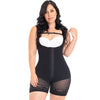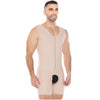
Stage 1 vs Stage 2 Faja: Everything You Need to Know About Post-Op Compression
If you're preparing for surgery or recovering from a body contouring procedure, your surgeon has probably mentioned Stage 1 and Stage 2 fajas. But what's actually different between them? And why can't you just use the same faja for the whole recovery?
This guide breaks down exactly what Stage 1 and Stage 2 fajas are, how they differ medically, when to transition between them, and what happens if you switch too early or too late. We'll also cover specific timelines by procedure type (BBL, liposuction, tummy tuck) so you can plan your recovery with clarity.
What Is Stage 1 Compression?
Stage 1 is the immediate post-surgical phase. Your body just underwent trauma—whether that's liposuction, a tummy tuck, a BBL, or another body contouring procedure. Right now, swelling is your biggest challenge.
Stage 1: The Medical Reality
- Timeline: Weeks 1–6 after surgery (sometimes up to 8 weeks)
- Compression range: 35–45+ mmHg (firm, therapeutic pressure)
- Primary goal: Reduce swelling, prevent fluid accumulation (seroma), support healing tissues
- Wear schedule: 24/7 (including sleep)
- Removal frequency: Only for bathing and brief air breaks
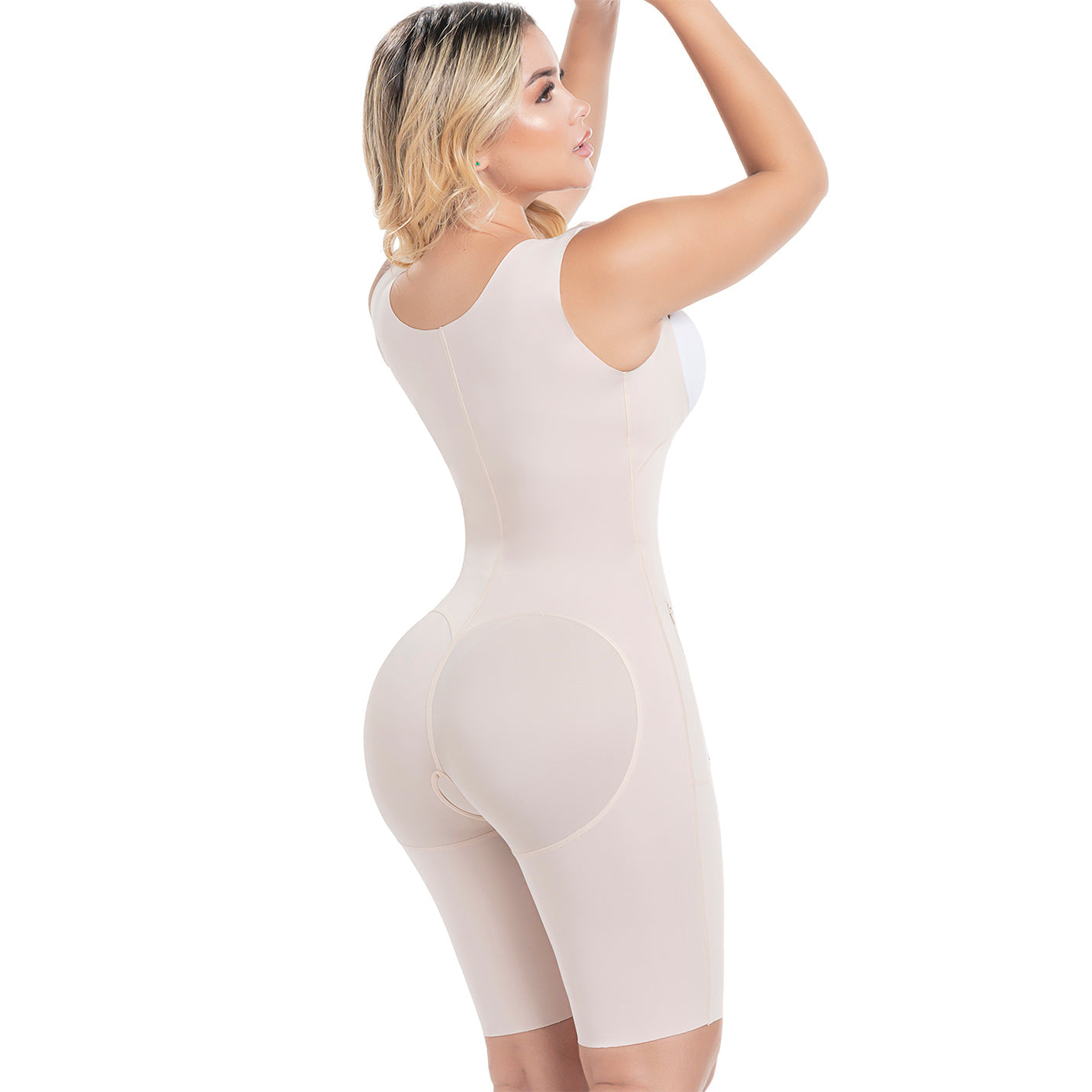
Stage 1 fajas are engineered differently than everyday shapewear. They have:
- Flat seams: No seams or embellishments on the high-swelling zones (abdomen, flanks, thighs). Seams create pressure points that can cause skin complications.
- Targeted compression zones: Extra thickness in areas where swelling is most likely (post-lipo zones, abdominal incision lines, BBL areas)
- Medical-grade fabrics: Breathable, moisture-wicking, designed for 24/7 wear without skin breakdown
- No zippers or velcro: These hardware pieces can irritate surgical sites or create pressure inconsistencies
- Open-crotch or very simple fastening: Makes bathroom access easier during your healing period
"Stage 1 isn't about aesthetics—it's about safety. Your surgeon isn't thinking about how you look under clothes; they're thinking about preventing complications that could set back your results by months." – Carlos Méndez
Why You Can't Skip Stage 1
Some patients want to jump straight to Stage 2 because they think Stage 1 fajas are uncomfortable or unfashionable. But Stage 1 compression does real medical work:
- Prevents seroma (fluid buildup): Compression prevents pockets of fluid from forming under the skin, which would require drainage.
- Controls swelling peaks: Post-surgical swelling peaks around day 3–7. Proper compression during this window prevents over-stretching of skin and tissues.
- Supports new tissue formation: Compression promotes collagen alignment and proper healing at the cellular level.
- Reduces pain and bruising: Therapeutic compression minimizes inflammation and accelerates bruise reabsorption.
- Protects your investment: Skipping Stage 1 can compromise your final surgical results.
What Is Stage 2 Compression?
Once the acute swelling phase passes and your incisions are healed, your body transitions into the remodeling phase. This is Stage 2.
Stage 2: The Medical Reality
- Timeline: Weeks 6–12 after surgery (sometimes up to 6 months for optimal results)
- Compression range: 25–35 mmHg (medium compression, less intense than Stage 1)
- Primary goal: Continue swelling reduction, support continued tissue remodeling, start sculpting the final shape
- Wear schedule: 12–16 hours per day (days, activities, exercise)
- Removal frequency: Remove for sleep, showers, and rest days
Stage 2 fajas are where comfort and function balance out. They have:
- Room for movement: Designed for daily wear, workouts, and normal activities
- Strategic seams: Now that swelling is subsiding, seams can be placed for shaping and support without irritation risk
- Zippers or hook closures: Many Stage 2 fajas use front zippers or back zippers for easier dressing, especially if you still have limited mobility
- Shaping panels: Beyond just compression, Stage 2 fajas start sculpting your final silhouette
- Variety in styles: More coverage options, colors, and designs because you're moving out of the critical medical phase
Why Stage 2 Matters
Weeks 6–12 are when your body "remembers" its new shape. Continuing compression during this phase:
- Locks in your surgical results
- Prevents fluid re-accumulation
- Helps skin retract evenly
- Reduces final swelling more than you'd expect by month 3
Many patients see their best results at month 3–4, not immediately. That's partly because Stage 2 compression is doing its job during those weeks.
Stage 1 vs Stage 2: Side-by-Side Comparison
| Aspect | Stage 1 | Stage 2 |
|---|---|---|
| Timeline | Weeks 1–6 (post-op) | Weeks 6–12 (post-op) |
| Compression (mmHg) | 35–45+ | 25–35 |
| Wear Schedule | 24/7 (sleep included) | 12–16 hours (days/activities) |
| Seams | Flat, minimal, strategic placement only | Functional, shaped for sculpting |
| Zippers/Hardware | None (avoid pressure points) | Front or back zippers optional |
| Primary Function | Swelling reduction, healing support | Continued swelling control, shaping |
| Comfort Level | Firm, sometimes feels constraining | Supportive, designed for daily life |
| Style Variety | Limited (basic colors, minimal design) | More variety in colors and styles |
Transition Timeline by Procedure Type
Not all surgeries follow the same recovery timeline. Here's what to expect:
Liposuction (any area)
- Stage 1 duration: 4–6 weeks
- Stage 2 duration: 6–8 weeks
- Total faja wear: 10–14 weeks minimum
- Note: Extensive multi-area lipo may require longer Stage 1
Tummy Tuck (Abdominoplasty)
- Stage 1 duration: 6–8 weeks (longer due to incision line)
- Stage 2 duration: 6–8 weeks
- Total faja wear: 12–16 weeks minimum
- Note: Extended abdominoplasty may require longer compression
Brazilian Butt Lift (BBL)
- Stage 1 duration: 6–8 weeks (critical phase due to transfer sites)
- Stage 2 duration: 4–6 weeks
- Total faja wear: 10–14 weeks minimum
- Note: Cannot sit directly on buttocks during Stage 1; compression supports healing of transfer sites
Liposuction + Tummy Tuck (Combined)
- Stage 1 duration: 8 weeks (longest healing period)
- Stage 2 duration: 8 weeks
- Total faja wear: 16 weeks (4 months)
- Note: Multiple surgical areas = extended healing
What Happens If You Switch Too Early?
Some patients try to move to Stage 2 before their surgeon recommends it, thinking they'll feel less constrained. Here's what can go wrong:
- Seroma formation: Fluid pockets develop under the skin and require drainage by your surgeon
- Excessive swelling: Without Stage 1 compression, swelling can peak and take months longer to resolve
- Compromised skin retraction: Your skin may not contract evenly, resulting in sagging or asymmetry
- Delayed final results: Many patients who skip Stage 1 see their final shape 2–3 months later than expected
- Increased bruising duration: Less compression = more prolonged bruising
- Risk of infection: Early compression removal can compromise the healing environment around incisions
What Happens If You Switch Too Late?
There's no harm in continuing Stage 1 longer than recommended—it just becomes uncomfortable and unnecessary.
- You'll feel overly constrained when your body is ready for lighter support
- Sleep quality may suffer from excess tightness
- It doesn't improve results; it just delays comfort
If your surgeon says "Week 6, you can transition," they mean your body is ready. Trust that assessment.
Signs Your Body Is Ready for Stage 2
Your surgeon will give you the green light, but here are physical signs that often align with Stage 2 readiness:
- Incisions are well-healed: No active drainage, scabs are gone, skin feels intact
- Swelling is visibly reduced: Your incision-area swelling is down to maybe 30–40% of peak
- You can move more freely: Limited mobility is improving; you can walk, bend, and move with less restriction
- Pain is mild or managed: You're off prescription painkillers and managing any discomfort with over-the-counter meds
- Skin is not irritated: No rashes, breakdown, or pain from Stage 1 faja wear
Choosing Quality Stage 1 and Stage 2 Fajas
Medical-grade Colombian brands like Diane & Geordi, Be Shapy, and Salome are trusted by surgeons across the US because they understand the engineering required at each stage.
Browse our Stage 1 collection for firm compression garments engineered for immediate post-op recovery. And when you're ready to transition, explore our Stage 2 options for medium compression designed for weeks 6–12 recovery and everyday wear.
Frequently Asked Questions
Q: How long do I wear a Stage 1 faja after liposuction?
A: Most patients wear Stage 1 compression for 4–6 weeks after liposuction. Your surgeon will assess your healing at the 4-week mark and may recommend continuing to 6 weeks if swelling is still significant. It depends on how many areas were treated and your individual healing response.
Q: When do I switch from Stage 1 to Stage 2 faja?
A: The typical transition point is around week 6 post-op, but this varies by procedure. After a simple liposuction, you might transition at week 4–5. After a tummy tuck or BBL, it's usually week 6–8. Your surgeon will give you the exact timeline at your follow-up appointments.
Q: What is the difference between Stage 1 and Stage 2 compression?
A: Stage 1 compression (35–45+ mmHg) is firm therapeutic pressure designed to manage acute post-surgical swelling and support healing. Stage 2 compression (25–35 mmHg) is lighter and designed for continued swelling reduction while allowing more movement and activity. Stage 1 is worn 24/7; Stage 2 is worn 12–16 hours per day.
Q: Can I skip Stage 1 and go straight to Stage 2?
A: No. Skipping Stage 1 increases the risk of serious complications like seroma (fluid buildup) that requires medical drainage. Your surgeon needs you in Stage 1 compression during the critical first 4–8 weeks to prevent these complications and protect your surgical results. Always follow your surgeon's Stage 1 recommendation.
-
Publicado en
compression garments, post-op compression, post-surgical faja, recovery, Stage 1 faja, Stage 2 faja