Tummy Tuck Faja: When to Start Wearing One and What to Look For
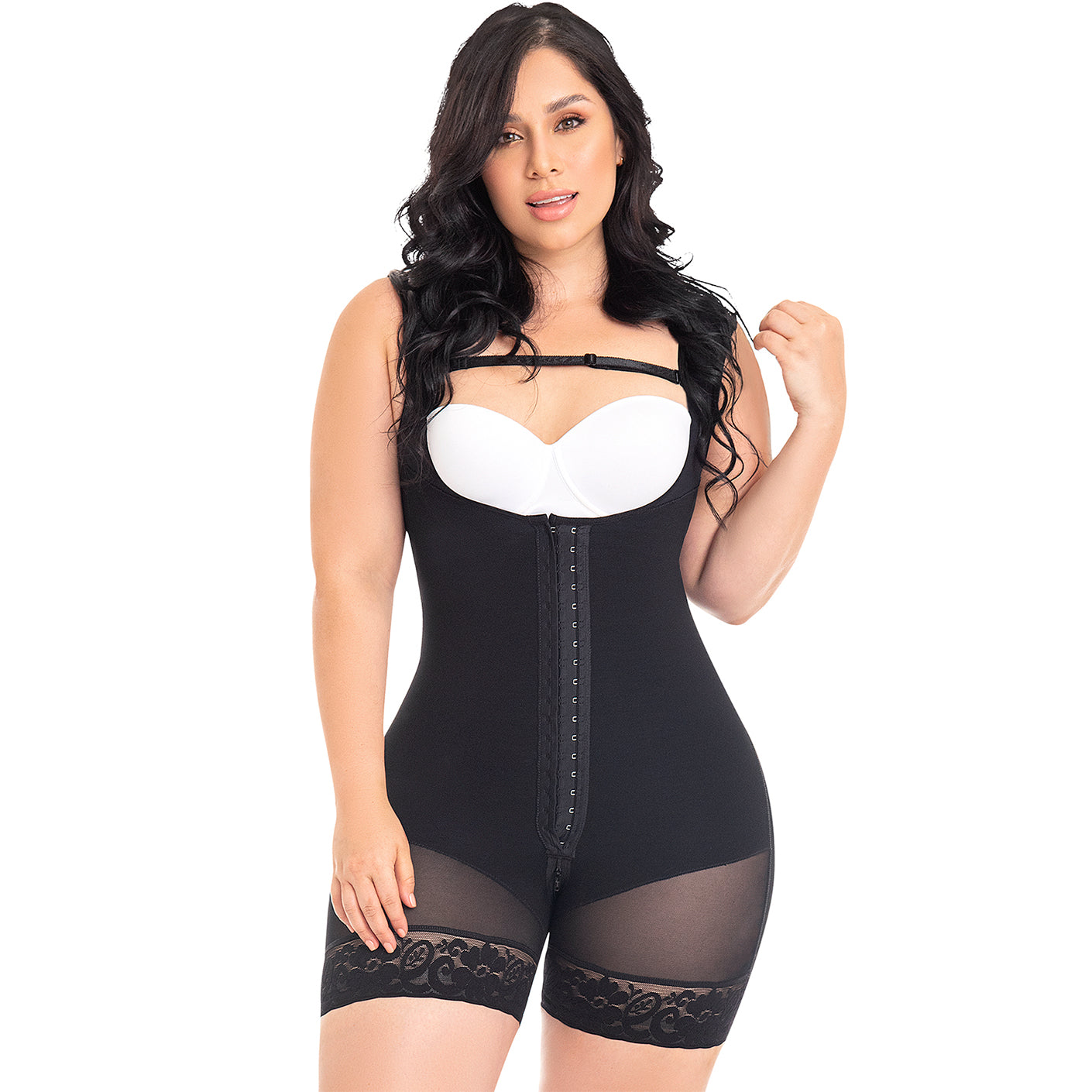
After a tummy tuck (abdominoplasty), the right compression garment isn't optional—it's essential to healing. But not all compression wear is created equal. A tummy tuck faja is engineered specifically for the unique demands of abdominoplasty recovery: incision protection, drain compatibility, and progressive sculpting support.
This guide covers what makes a tummy tuck faja different, when to start wearing one, and why regular shapewear (like Spanx) falls dangerously short.
Why a Tummy Tuck Faja Is Different from Regular Shapewear
Abdominoplasty creates a surgical incision from hip to hip (and sometimes vertically), removes excess skin and fat, and tightens the abdominal muscles. This is major trauma. Regular shapewear—even premium brands—wasn't designed for post-surgical recovery.
Key Differences:
| Feature | Tummy Tuck Faja | Regular Shapewear (Spanx, etc.) |
|---|---|---|
| Compression Class | Class II–III (medical-grade, 20–30+ mmHg) | Mild–moderate (typically 10–15 mmHg) |
| Incision Design | Flat seams positioned away from incision line; some have drain holes | Seams may cross or press directly on healing incision |
| Abdominal Panel | Reinforced, engineered to support surgical site and drain positioning | Standard compression; not designed for drain compatibility |
| Fabric Breathability | Designed for 24/7 wear; breathable microfiber or cotton blend | Can cause maceration and moisture buildup with all-day wear over fresh incisions |
| Boning & Padding | Strategic boning prevents fibrosis; foam pads distribute pressure evenly | Minimal or no boning; pressure distribution not optimized for surgical sites |
| Zip Closure | Zip allows easy dressing changes and drain management without compromising compression | No zip; requires full removal for adjustments (disrupts compression, risks incision irritation) |
"Spanx after a tummy tuck is like using a regular bandaid on a surgical incision. It might look like it's doing something, but it's not providing the clinical support your body needs." – Surgical Recovery Specialist.
When to Start Wearing a Tummy Tuck Faja: Day 1 vs. Waiting
Surgeon protocols vary. Some recommend faja wear from day 1 (or even within hours post-op), while others ask you to wait 1–3 days while managing drains and initial swelling. Follow your surgeon's specific guidance—they know your anatomy and incision type.
Timeline:
- Day 1–2: Most surgeons want compression starting ASAP or within 24 hours. Your body is vulnerable to seroma (fluid buildup) and hematoma (blood pooling). Compression is your first line of defense.
- Days 3–7: After drains are removed (or positioned safely), full faja wear begins. Ensure your faja has drain holes or compatible positioning so you don't have to remove compression.
- Weeks 2–6: Continuous wear (24/7, remove only for showers and brief dressing changes). This is the critical fibrosis-prevention window.
- Weeks 6–12: Transition to 12–18 hours daily if surgeon-approved. Some patients prefer to continue 24/7 longer for better results.
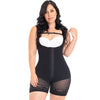
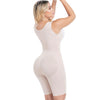
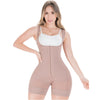
Find Your Tummy Tuck Faja with drain-hole compatibility and flat-seam incision protection.
Essential Features for a Tummy Tuck Faja
1. Flat Seams Positioned Away from Incisions
Your hip-to-hip incision is the primary surgical site. Seams that cross or press directly on this line increase infection risk and scar tissue irritation. Look for fajas with seams positioned on the sides (not the front center) or with surgical-grade flat stitching that distributes pressure without creating pressure points.
2. Drain Hole or Strategic Access
Most tummy tuck patients have surgical drains (usually 1–2) for 7–14 days post-op. Your faja must accommodate drain tubes without requiring you to remove compression multiple times daily. Many post-surgical fajas include drain holes or designed gaps along the sides. Confirm this feature before purchasing.
3. Reinforced Abdominal Panel
The abdominal region needs the most support—this is where your surgeon worked. A reinforced panel (firmer compression, possible boning) in the front provides clinical-grade support without over-compressing the sides or creating uneven pressure.
4. Breathable Microfiber or Cotton Blend
Moisture management is critical. Sweat trapped against fresh incisions breeds bacteria. Breathable, moisture-wicking fabric (microfiber, cotton blends) keeps the area dry and reduces infection risk. Check product descriptions for "breathable," "moisture-wicking," or "microfiber."
5. Zip Closure for Easy On/Off
A side or front zip lets you dress, undress, and adjust without full removal. Essential if you're managing drains or frequent dressing changes. Avoid fajas that require pulling over your head—you'll risk disrupting your incision and drains.
6. Boning and Foam Pad Compatibility
Strategic boning prevents fibrosis (hardening of scar tissue) and supports even healing. Many fajas come with removable foam pads that sit under the garment, distributing pressure evenly across the surgical site. This is a must-have feature for optimal tummy tuck recovery.
Do I Need an Abdominal Board with My Tummy Tuck Faja?
An abdominal board (or foam pad) is not strictly required for tummy tuck recovery, but it's highly recommended. Here's why:
- Fibrosis prevention: Fibrotic scar tissue creates hard, bumpy areas that can persist for years. A board distributes pressure evenly and minimizes this risk.
- Smoother final results: Consistent, even compression encourages proper skin-to-muscle healing and a smoother, more sculpted appearance.
- Optimal for the first 3 months: Use an abdominal board from day 5–7 (after drains are out) through month 3 post-op. After that, a fajas-alone approach is fine.
Explore Abdominal Boards & Foam Pads designed to work seamlessly with your tummy tuck faja.
Trusted Tummy Tuck Faja Brands
For post-tummy tuck recovery, choose brands with surgical credibility:
- Sonryse: Engineered for abdominoplasty with strategic drain holes and flat seams. Popular with post-surgical centers.
- Salome: Offers reinforced abdominal panels and excellent breathability. Known for long-term comfort.
- Laty Rose: Specializes in post-surgical compression; many styles include adjustable boning and foam pad slots.
- MyD (M&D): Clinical-grade option with superior fibrosis prevention features.
- MariaE: Premium tummy tuck fajas with luxury materials; excellent for sensitive skin.
Why Spanx (and Similar Regular Shapewear) Is Not Recommended
You may have heard that Spanx or other mainstream shapewear can be worn after a tummy tuck. This is a risky misconception:
- Insufficient compression: Regular shapewear provides 10–15 mmHg of pressure; you need 20–30+ mmHg medical-grade compression in the critical first 12 weeks.
- Incision irritation: Seams positioned for slimming (not surgery) will cross or press on your healing incision, increasing infection and scar tissue risk.
- Drain incompatibility: Regular shapewear has no drain holes, forcing you to remove it multiple times daily—compromising healing.
- Moisture trap: Non-breathable fabrics trap sweat against incisions, creating an infection risk.
- Long-term compromised results: Inadequate compression in weeks 1–12 leads to more fibrosis, visible lumps, and a less sculpted final result.
Bottom line: Invest in a surgical-grade tummy tuck faja. Your healing—and your results—depend on it.
Frequently Asked Questions
1. Can I wear Spanx after a tummy tuck?
No. Spanx and similar shapewear lack the medical-grade compression (20–30+ mmHg), incision-safe seam design, and drain compatibility that tummy tuck recovery requires. Using regular shapewear increases infection risk, fibrosis, and compromises your final results. Always choose a surgical-grade post-abdominoplasty faja.
2. What should I look for in a tummy tuck faja?
Prioritize: medical-grade compression (Class II–III), flat seams away from your incision line, drain holes for tube access, breathable microfiber fabric, zip closure for easy on/off, and boning/foam pad compatibility. Confirm your surgeon hasn't recommended specific features for your anatomy.
3. Do I need an abdominal board with my tummy tuck faja?
Not strictly, but it's highly recommended for the first 3 months. A board distributes compression evenly, prevents fibrosis, and promotes smoother healing. Most patients who use boards report noticeably better results and fewer long-term complications. Check with your surgeon about timing (usually day 5–7 post-op after drains are removed).
Tummy tuck recovery is a marathon, not a sprint. The right faja sets you up for optimal healing, minimal complications, and the sculpted results you deserve.
-
Publicado en
abdominal compression, post-abdominoplasty compression, spanx alternative, surgical compression garment, tummy tuck faja, tummy tuck recovery