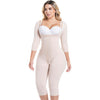
Faja vs Waist Trainer: Key Differences and Which One Is Right for You
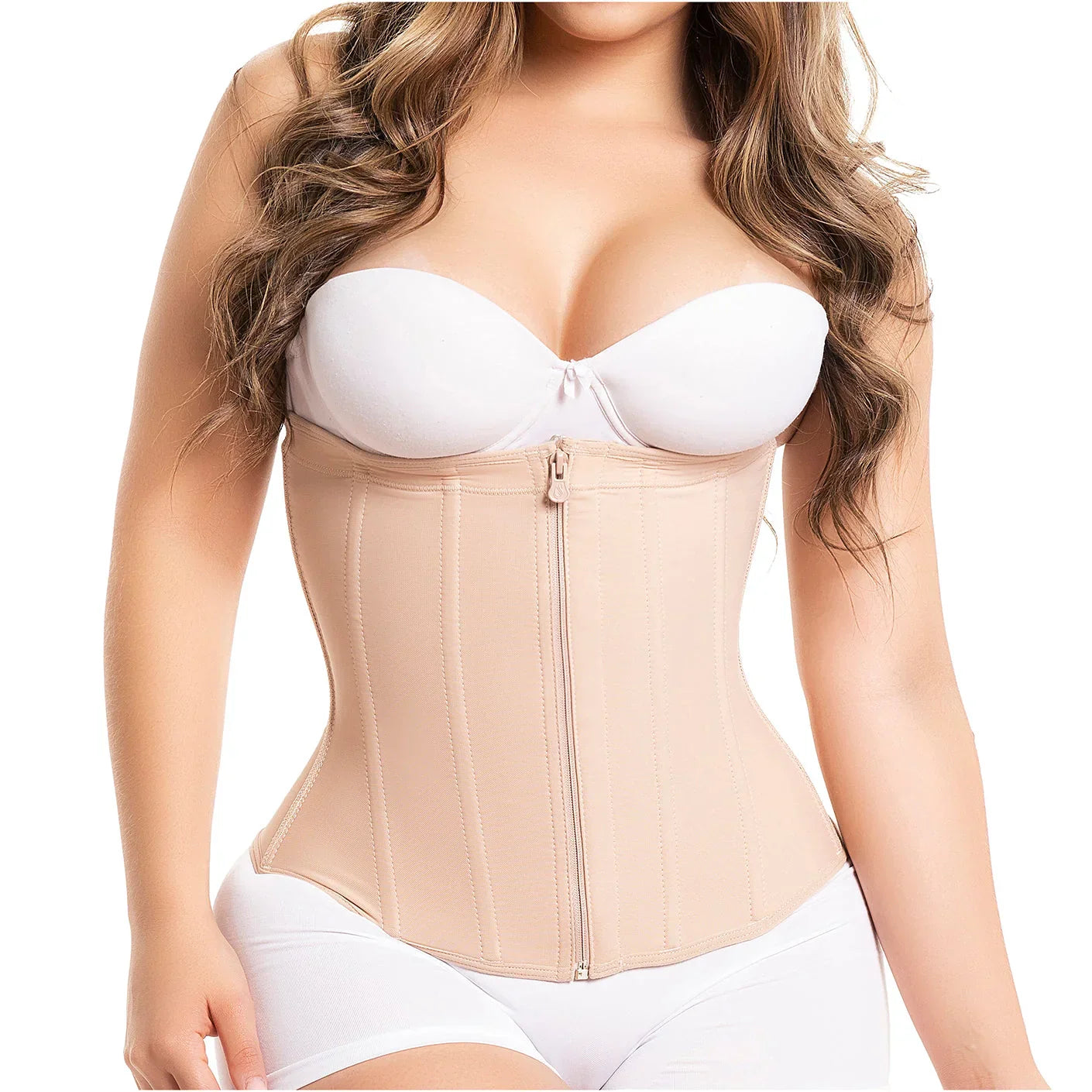
You've seen both of them—fajas and waist trainers—often mentioned in the same breath. "Colombian shapewear," "compression garments," "waist training." It's easy to assume they're interchangeable, just different names for the same thing. But here's the truth: a faja and a waist trainer are fundamentally different products designed for completely different purposes. Confusing them can lead to buying the wrong tool for your goal.
Let's be clear about what each one actually does, so you can choose the right one for you.
What Is a Faja?
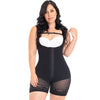
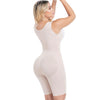
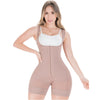
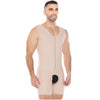
A faja is a full-coverage compression garment that extends from your chest or waist down to your mid-thigh or knee. It compresses your entire torso—abdomen, waist, lower back, and hips—for overall body shaping and support.
A faja is designed to:
- Smooth and shape your entire silhouette
- Support your back and posture
- Provide compression across your core
- Create a streamlined look under clothing
- Support postpartum recovery or post-surgical healing (depending on the faja type)
You wear a faja all day under your clothes for smoothing effects, or during specific recovery periods (postpartum, post-surgical) as a medical tool. Most fajas come in panty, high-waist, or full-body styles.
What Is a Waist Trainer?
A waist trainer is a specialized compression device that targets only your waist and lower ribcage. It's narrower and more structured than a faja, typically made with rigid boning, stays, or plastic/steel components that cinch your midsection.
A waist trainer is designed to:
- Cinch and reshape your waist specifically
- Create an hourglass or defined waist silhouette
- Apply intense, localized compression to the waist area
- Be worn for shorter periods (usually 2-8 hours daily)
- Gradually reshape the waist over time with consistent wear
Waist trainers are not meant for all-day wear or medical recovery. They're a cosmetic shaping tool with a focused, specific goal: a smaller, more defined waist.
Head-to-Head Comparison: Faja vs. Waist Trainer
| Factor | Faja | Waist Trainer |
| Coverage Area | Full torso (chest to mid-thigh) | Waist & lower ribcage only |
| Primary Purpose | All-over body shaping & support | Waist definition & cinching |
| Compression Type | Graduated, distributed across torso | Concentrated, intense waist compression |
| Material | Breathable fabric, flexible support | Rigid boning, stays, or steel rods |
| Wearing Duration | All day (8-16+ hours) or as directed | 2-8 hours daily (not all day) |
| Comfort Level | Designed for extended wear; relatively comfortable | Intentionally firm; not designed for comfort |
| Results Timeline | Immediate visual smoothing; cumulative over weeks | Immediate visual cinching; reshaping over months |
| Under Clothing Look | Invisible; creates smooth lines under any outfit | Visible waist indent; shows under fitted clothes |
| Best For | Overall shaping, postpartum recovery, everyday wear | Waist definition, hourglass effect, waist training |
Key Difference 1: Coverage and Design
Imagine a faja as a full-body hug. It wraps around your entire torso, supporting and shaping everything from your ribcage to your thighs. This makes it invisible under clothing—it creates a smooth, streamlined silhouette without visible "dents" or indents.
A waist trainer is more like a targeted corset. It focuses all its pressure on a narrow band around your waist, creating a visible indent. This is intentional—the goal is to show that defined, cinched waist.
If you want to disappear under your clothes, a faja is your tool. If you want a visible waist indent and an exaggerated hourglass shape, a waist trainer is the answer.
Key Difference 2: Material and Rigidity
Most fajas are made from breathable, stretch fabric (often a blend of nylon, spandex, and cotton) with flexible support panels. They move with your body. You can bend, sit, and move naturally—the garment adjusts to your movement.
Waist trainers, by contrast, contain rigid elements: steel boning, plastic stays, or metal rods sewn into the fabric. These create structure and prevent your waist from expanding. This rigidity is what allows waist trainers to reshape your waist over time—but it also means they're not designed for comfort or flexibility.
Key Difference 3: Wearing Duration and Comfort
A faja is designed for extended, daily wear. You put it on in the morning and wear it for 8-16+ hours. It should feel supportive but not painful. Most women can wear a faja throughout their workday, run errands, exercise (depending on the style), and go about life comfortably.
A waist trainer is not designed for all-day wear. Wearing it for more than 8 hours regularly can cause discomfort, restrict breathing, and create skin irritation. Most waist training protocols recommend 2-6 hours daily for safety and comfort. Some women wear them for special occasions or focused waist-training periods, but not continuously.
If you want something you can wear all day without thinking about it, a faja is the clear choice. If you want intense, focused waist compression for specific hours or occasions, a waist trainer is better.
Key Difference 4: Purpose and Results
Faja Results: Immediate and Ongoing
Put on a faja, and you see immediate smoothing. Your silhouette is sleeker, your clothes fit better, your posture improves. This is instant gratification. Fajas also provide cumulative benefits: with consistent wear, your abdominal muscles may develop better tone, your posture may improve, and you may notice general body contouring effects, especially when combined with diet and exercise.
But here's the important truth: a faja will not permanently reshape your body. Once you take it off, your natural body shape returns. A faja is a shaping and support tool, not a body-reshaping device.
Waist Trainer Results: Gradual Reshaping
Waist trainers work on a different principle. With consistent, long-term wear (months to years), the intense pressure can gradually reduce your natural waist circumference and reshape your torso into a more defined, cinched appearance. This happens because the compression trains your intercostal muscles and your body's overall shape adapts to the pressure over time.
The catch: this reshaping is slow and requires dedication. You're looking at 3-6 months of consistent wear to see measurable waist reduction. And—this is important—the effects are semi-permanent. If you stop waist training, your waist will gradually return toward its natural shape, though it may not fully reverse.
A faja gives you instant smoothing. A waist trainer gives you gradual reshaping. Different tools, different timelines.
Can You Use a Faja as a Waist Trainer?
Not really. While a faja does compress your waist, it distributes compression across your entire torso. This is great for overall shaping, but it won't create the intense, localized waist cinching that waist training requires. You also can't wear a faja for the short, intense periods that waist training protocols recommend—fajas are built for extended wear.
Similarly, you can't use a waist trainer as a full-body faja. Its narrow design won't smooth your abdomen, hips, or lower back, and it's not comfortable enough for all-day wear.
Does a Waist Trainer Work Better Than a Faja?
"Better" depends on your goal. If your goal is overall body smoothing and support for all-day wear, a waist trainer won't work as well as a faja—it's not designed for that. If your goal is a dramatically cinched waist, a faja won't work as well as a waist trainer—it doesn't provide the focused pressure required.
It's like asking if a blouse works better than jeans. They're different tools for different purposes. One isn't universally "better"—they're better for different goals.
Who Should Choose a Faja?
Choose a faja if you want to:
- Smooth your entire body silhouette under clothing
- Improve your posture and support your core
- Wear compression all day comfortably
- Support postpartum recovery or post-surgical healing
- Create invisible shaping without visible waist indents
- Wear something that moves with your body and allows natural flexibility
Fajas are also ideal if you want to combine shaping with support—many women love how a faja makes them feel confident, supported, and smoothed throughout their day.
Who Should Choose a Waist Trainer?
Choose a waist trainer if you want to:
- Create a visible, dramatic waist indent
- Achieve an hourglass or dramatically cinched silhouette
- Gradually reshape your waist over months
- Wear compression for focused 2-8 hour periods (not all day)
- Commit to a waist-training regimen with consistent wear
- Create a statement look with visible waist definition
Waist trainers are also ideal for special occasions when you want maximum waist cinching for a few hours, or for dedicated waist-training enthusiasts who are willing to invest time and commitment.
What About Corsets? Are They the Same as Waist Trainers?
Not quite. A corset is a historical garment (or modern reproduction of historical design) that combines rigid structure with lacing or complex closures. Modern "fashion corsets" are different from Victorian-era corsets and different from modern waist trainers. Waist trainers are the contemporary, simplified version—they have the rigid structure and waist-cinching purpose of corsets, but with modern materials and closures.
If you're looking for waist training effects, a modern waist trainer is more practical than a historical corset. But if you're interested in corsetry as a fashion statement or art form, that's a different (and longer) conversation.
Faja or Waist Trainer: The Bottom Line
"A faja is your daily companion for smoothing and support. A waist trainer is your specialist tool for waist-specific reshaping. Both are legit—they just do different things. Know your goal, and choose accordingly." – Luna Ramírez, Shapewear & Body Confidence Expert.
Here's the reality: you're not supposed to choose one over the other as if they're competitors. They're different tools for different jobs. Many women own both: a faja for daily smoothing and support, and a waist trainer for waist-specific shaping or special occasions.
The key is being honest about what you want. Do you want all-day smoothing and support? Faja. Do you want a visible waist indent and long-term waist reshaping? Waist trainer. The answer determines which tool is right for you.
Ready to Find Your Perfect Fit?
Whether you're looking for an everyday faja or a waist trainer for focused shaping, we have Colombian-made compression garments designed for real bodies and real goals. Browse our collections to find the right compression tool for you.
Frequently Asked Questions
Q1: Can I use a faja as a waist trainer?
A: Not effectively. While a faja does compress your waist, it distributes compression across your entire torso, not the intense, localized compression that waist training requires. Fajas also aren't designed for the short, frequent wearing periods (2-8 hours daily) that waist training protocols recommend. They're built for all-day wear. For actual waist training results, you need a dedicated waist trainer.
Q2: Does a waist trainer work better than a faja?
A: Neither is "better"—they serve different purposes. A faja provides better all-day smoothing and support across your entire torso. A waist trainer provides better focused waist cinching and long-term waist reshaping. Choose based on your specific goal, not on which is universally "better."
Q3: What is the difference between a faja and a corset?
A: Corsets are historical or historical-inspired garments with complex construction, lacing, and multiple layers. Modern waist trainers are the contemporary equivalent—they have similar waist-cinching and shaping functions but with simpler closures (usually hooks or zippers) and modern materials. Both differ from fajas, which cover more body area and are designed for all-day wear rather than focused waist training.
Q4: How long should I wear a waist trainer vs a faja?
A: Wear a faja for extended periods—typically 8-16+ hours daily. It's designed for all-day wear and should be comfortable enough for daily life. Wear a waist trainer for shorter periods—typically 2-8 hours daily. Waist trainers are not designed or recommended for all-day, extended wear due to discomfort and potential breathing restriction. Never sleep in a waist trainer unless specifically directed by your waist-training protocol.
-
Publicado en
body shaping, Colombian shapewear, compression garment, faja, faja vs waist trainer, shapewear comparison, waist trainer, waist training