Postpartum Faja: How to Choose the Right Compression After Vaginal Birth or C-Section
After you give birth, your body needs support—both physically and emotionally. Whether you had a vaginal delivery or a C-section, a postpartum faja (also called a postpartum girdle or compression garment) can be an important part of your recovery journey. But here's the thing: not all postpartum fajas are created equal. Choosing the right one depends on your birth type, how many weeks postpartum you are, and your body's specific needs.
In this guide, we'll walk you through exactly how to choose a postpartum faja that actually works for your recovery—no guesswork, no overwhelm.
What Is a Postpartum Faja?
A postpartum faja is a medical-grade compression garment designed specifically for the postpartum period. It wraps around your torso (and sometimes your hips and abdomen) to provide gentle, consistent compression that supports your recovering abdominal muscles, reduces swelling, and helps your uterus return to its pre-pregnancy size. Think of it as a supportive hug while your body heals.
Unlike everyday shapewear, postpartum fajas are built for recovery, not just smoothing. They're made from breathable, moisture-wicking fabrics and designed with closures that make nursing, bathroom breaks, and medical checks easier.
Key Factor 1: Your Birth Type Matters
The first step in choosing the right postpartum faja is understanding what your body went through during delivery. Vaginal birth and C-section recovery have very different needs.
Natural (Vaginal) Birth Recovery
After a vaginal delivery, your main recovery focuses are:
- Supporting your stretched abdominal muscles and skin
- Reducing swelling in the abdomen and perineal area
- Promoting overall muscle tone as your uterus inverts
- Easing back pain from pregnancy
For natural birth, you'll typically want a postpartum faja that covers your entire abdomen and waist. A panty-style faja (high-waist brief) or a full-body faja works best. You want firm compression across the belly, but not restrictive pressure on an already-sensitive perineal area.
C-Section Recovery
A C-section is major abdominal surgery. Your recovery needs are more intensive:
- Supporting your surgical incision site as it heals (typically 6-8 weeks)
- Reducing inflammation and seroma risk (fluid buildup under the scar)
- Stabilizing your core as you move, cough, and care for your baby
- Decreasing pressure on stitches during movement
For C-section, look for a postpartum faja with an open-bust or underboob design that leaves your incision area accessible for wound care and allows you to move comfortably. A high-compression faja designed specifically for post-surgical recovery is ideal. Many women also prefer one with reinforced side seams for extra support during the first 2-3 weeks.
Key Factor 2: Weeks Postpartum
Your compression needs change as you heal. Here's a realistic timeline:
Weeks 0-2: Immediate Postpartum
Start wearing: A Stage 1 postpartum faja (high compression, 70-80% compression level) or a medical-grade postpartum girdle. Your body is swollen, your incision (if C-section) is fresh, and your tissues are inflamed. High compression helps reduce swelling fast and stabilizes your core as you move and care for your newborn.
Weeks 2-6: Active Healing
Continue wearing: A Stage 1 faja most of the day, tapering to lighter wear at night. If your incision is healing well and swelling is decreasing, you might transition to a Stage 2 (medium compression, 60-70%) by week 4. Listen to your body—if you feel better with continued high compression, stick with it.
Weeks 6-12: Building Strength
Transition to: A Stage 2 faja for daily wear, 4-6 hours per day. By this point, you've cleared the acute healing phase and can focus on muscle support and shape as you return to movement. A medium-compression faja provides support without the intensity of early postpartum.
Weeks 12+: Maintenance and Shape
Switch to: Everyday shapewear or lightweight fajas if you want to maintain the shaping benefits. Many women continue wearing a faja for 6 months postpartum—it's a personal choice, not a medical requirement after week 8-12.
Key Factor 3: Compression Level
Compression is measured by how much pressure the garment applies, typically classified as:
| Compression Level | Pressure (mmHg) | Best For |
| Light | 10-15 | Week 8+, maintenance shapewear |
| Moderate | 20-30 (Stage 2) | Week 4-12 postpartum |
| High | 40-60 (Stage 1) | Week 0-4 postpartum, especially C-section |
| Extra High | 70+ | Medical-grade post-op, early C-section recovery |
For most vaginal births, moderate to high compression works well. For C-section, especially in the first 2-3 weeks, high compression is worth the investment—it genuinely makes a difference in pain management and swelling reduction.
Key Factor 4: Body Coverage and Design
The coverage you choose affects comfort, functionality, and results. Here are your main options:
High-Waist Panty Faja
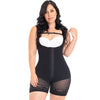
Covers from your waist to mid-thigh or knee. Ideal for natural birth and most postpartum recoveries. Easy to put on, comfortable under clothes, and covers the key areas (abdomen, lower back, hips) without overwhelming your body.
Full-Body or Torso Faja
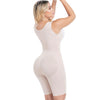
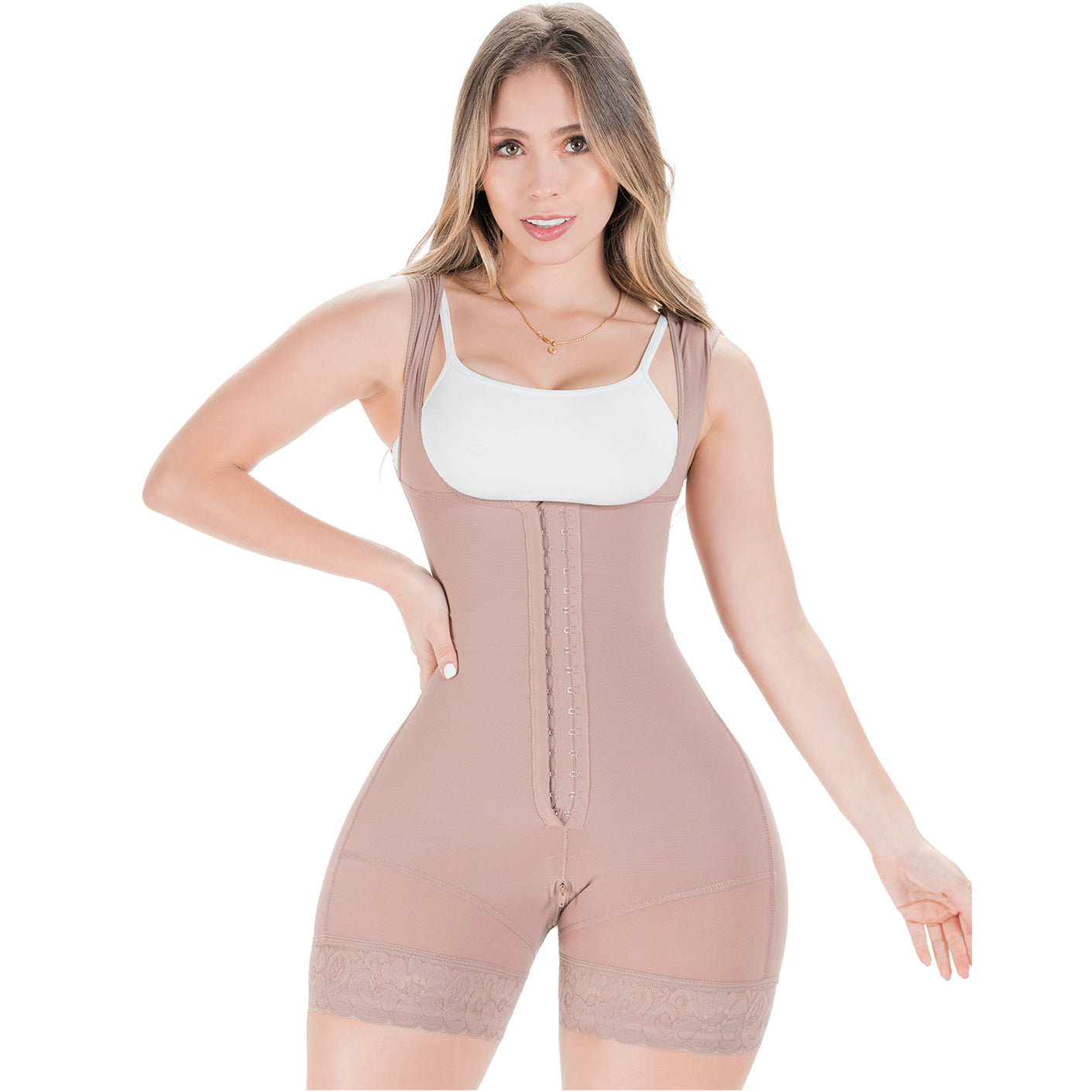
Covers from chest to thigh or knee, sometimes with bra-like support at the top. Great for women who want comprehensive torso support and back reinforcement. Common after C-section because it distributes pressure evenly and doesn't dig into your incision.
Open-Bust Faja (No Bra)
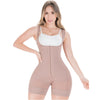
Covers from underboob to mid-thigh, leaving your chest exposed. Perfect for C-section recovery because it avoids pressure on your incision. Excellent if you're nursing and want easy access. Gives your breasts room to breathe.
Short Faja or Belly Band
The lightest option—covers just your lower abdomen and waist. Good for later postpartum stages (week 6+) or if you find full coverage too restrictive. Not recommended for early C-section recovery.
Comparison: Natural Birth vs. C-Section Faja Needs
| Factor | Natural Birth | C-Section |
| Best Type | High-waist panty or full-body | Open-bust or underboob faja |
| Compression (Week 0-2) | High (40-60 mmHg) | Extra high (70+ mmHg) |
| Key Coverage Need | Abdomen, waist, lower back | Incision area accessible, full torso |
| Comfort Priority | Perineal area relief | Incision pressure relief, core stability |
| Wearing Duration (Early) | 8-12 hours daily | Full day (16-20 hours) first 2 weeks |
How to Measure and Size Correctly
Wearing the right size is non-negotiable. A faja that's too small will restrict breathing and cause discomfort. One that's too big won't provide the compression you need.
Measure at your widest point: Take your measurements at the fullest part of your bust, waist (at your belly button), and hips (at the fullest part of your rear). Don't pull the tape tight—you want a comfortable measurement, not a cinched one.
Compare to the brand's size chart: Every brand sizes slightly differently. Sonryse, Salome, Laty Rose, and MyD (M&D) all have unique fits. Check the specific brand's chart before you buy.
Order based on your current postpartum measurements: Resist the urge to size down hoping the faja will help you lose weight. A faja is a recovery tool, not a weight-loss device. Buy for your body now, and the compression will help you feel and look better while you heal.
When to Start Wearing a Postpartum Faja
Ideally, start wearing a postpartum faja within the first 24-48 hours after birth, once you've been cleared by your doctor or midwife. If you had an uncomplicated vaginal birth, you can typically wear a faja immediately. If you had a C-section, wait for your OB's go-ahead—usually it's safe to start once you're moving around the hospital and basic wound care is underway.
Pro tip: Have your faja at home and ready before delivery. Don't wait to shop while sleep-deprived and bleeding. Order it in advance, and you'll be set.
Ready to Choose Your Postpartum Faja?
Now that you know what to look for, it's time to find the right faja for your recovery. Browse our full collection of postpartum fajas designed for natural birth recovery or C-section recovery. Each is handpicked for quality, comfort, and real postpartum results.
Postpartum Natural-Birth Fajas
"Choosing the right postpartum faja is one of the best decisions you can make for your recovery. It's not just about looking good—it's about feeling supported, stable, and confident as you heal." – Carolina Torres, Postpartum Recovery Specialist.
Frequently Asked Questions
Q1: When can I start wearing a postpartum faja?
A: You can typically start wearing a postpartum faja within the first 24-48 hours after a vaginal birth, once you feel comfortable moving. After a C-section, wait for your surgeon's clearance—usually within the first few days once you're up and moving around. Always confirm with your doctor or midwife before starting.
Q2: What is the difference between a postpartum faja for natural birth vs C-section?
A: Natural birth fajas prioritize abdominal and waist support with designs that ease perineal discomfort. C-section fajas feature open-bust or underboob designs to keep pressure off your surgical incision, offer higher initial compression to reduce swelling and prevent seromas, and provide reinforced core support for stability during movement. C-section fajas are typically worn longer and at higher compression levels in the first weeks.
Q3: How tight should a postpartum faja be?
A: A postpartum faja should feel snug and supportive, but never painful or restrictive. You should be able to take a full breath without strain, bend comfortably, and sit without sharp pressure on your incision (if you had a C-section). If you can't breathe easily or experience sharp pain, it's too tight—loosen it or go down a size. Mild discomfort at first is normal as your body adjusts; severe pain is not.
Q4: How long should I wear a postpartum faja each day?
A: In the first 2 weeks postpartum, aim for 8-16 hours daily (many women wear it all day). From weeks 2-6, wear it 8-12 hours daily during your active recovery phase. From week 6 onward, taper to 4-6 hours daily or as needed for comfort and support. Listen to your body—some days you'll want more support, other days less. By 8-12 weeks postpartum, you can stop wearing it daily unless you prefer continued shapewear benefits.
-
Posted in
C-section recovery, compression garment, faja guide, postpartum faja, postpartum girdle, postpartum healing, postpartum shapewear, vaginal birth recovery