Men's Girdles and Shapewear: Types, Benefits and How to Choose the Right One
Here's something nobody talks about at the gym, at work, or after surgery: men wear girdles. A lot more than you'd think.
Whether it's for back support, post-surgical recovery, athletic performance, or just feeling more confident in your clothes, men's compression garments are legitimate tools—and there's absolutely nothing wrong with using them. Yet many men don't know they exist, or they feel awkward asking about them.
Let me change that. I'm going to walk you through everything you need to know about men's girdles and shapewear: why men wear them, what types exist, how they differ from women's compression garments, and how to find the right one for your body and needs.
Why Men Wear Girdles and Compression Garments
Men's shapewear isn't new, and it's not just for special occasions. Here are the real reasons men choose compression garments:
Post-Surgical Recovery
After abdominal surgery, hernia repair, or liposuction, compression is therapeutic. It reduces swelling, supports the surgical site, and helps you move safely during recovery. Many surgeons recommend or prescribe compression garments post-op.
Back Support and Pain Relief
Men with lower back pain, desk jobs, or physical labor often use compression undershirts or abdominal binders. The support reduces strain on the spine and can ease chronic pain. It's especially popular among guys who lift weights or do physically demanding work.
Everyday Confidence
Some men feel more confident in their appearance with compression shapewear. Whether it's smoothing your midsection under a fitted shirt or creating a cleaner silhouette, there's no shame in that. Confidence matters.
Athletic Performance
Compression gear reduces muscle vibration during exercise, can improve circulation, and may enhance endurance. Athletes across many sports—from CrossFit to running to team sports—wear compression layers.
Comfort and Temperature Regulation
Quality compression undershirts keep you cool, reduce chafing, and provide a smooth base layer under any outfit. Some men just prefer the feel of compression fabric all day long.
"I wore a men's compression undershirt after my surgery and it made recovery so much easier. Then I kept wearing it for the support. Now it's part of my everyday routine." – James, customer.
Types of Men's Compression Garments
Not all men's shapewear is created equal. Here's what's available:
Compression Undershirts
What they are: Form-fitting undershirts that cover the torso, typically with sleeves. They provide moderate compression across the chest, abs, and sides.
Best for: Everyday wear under dress shirts or casual clothing. Back support. Athletic base layers. Men who want all-day compression without removing it.
Compression level: Usually medium (20–30 mmHg). Noticeable but not restrictive.
Abdominal Binders
What they are: Wide elastic bands that wrap around your midsection. They're typically worn over the abdomen and lower back, securing with velcro or hooks.
Best for: Post-surgical recovery. Targeted abdominal and lower back support. Men who need high compression in one specific area.
Compression level: High (30–40 mmHg). Medical-grade pressure specifically for healing and support.
Full Torso Shapers
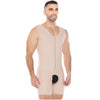
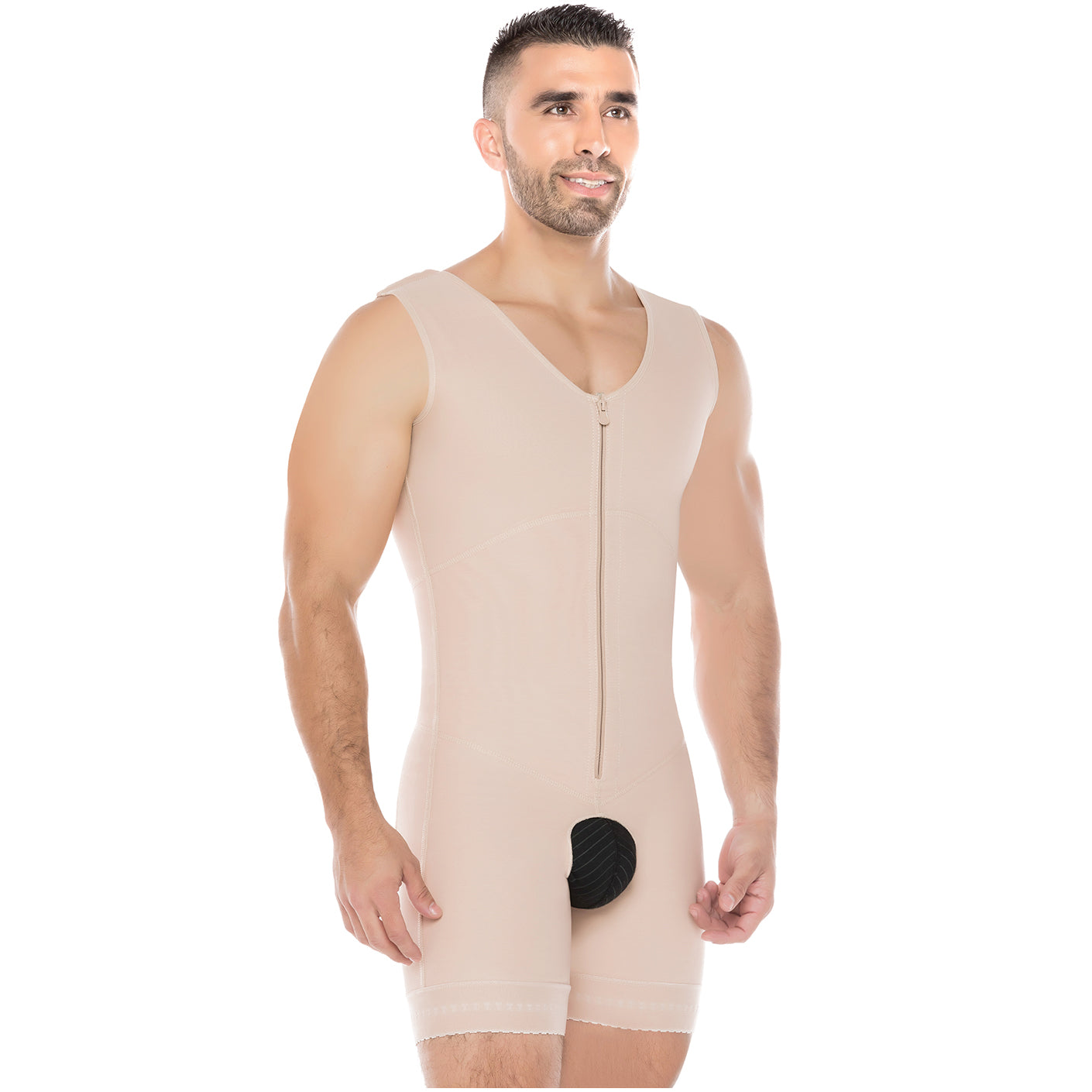
What they are: Bodysuit-style garments covering chest to waist or hip. They provide comprehensive compression across the entire upper body.
Best for: Maximum shaping and support. Men who want smoothing from chest to waist. Post-surgical full torso support. Special occasions when you want dramatic results.
Compression level: High (30–35 mmHg). Serious shaping.
Boxer Brief Shapers
What they are: Underwear-style shapewear with built-in compression. They look and feel like regular boxer briefs but with shaping technology woven in.
Best for: Everyday wear. Men who want the comfort of underwear with subtle smoothing. All-day comfort without thinking about it.
Compression level: Light to medium (15–25 mmHg). Subtle but effective.
How Men's Compression Differs from Women's
Men's and women's compression garments address different body shapes and needs:
| Feature | Men's Compression | Women's Compression |
|---|---|---|
| Fit | Straight cuts, broader shoulders, less tapering at waist | Curved cuts, waist definition, hip shaping |
| Primary Focus | Abs, chest, lower back support | Waist, hips, thighs, full-body contouring |
| Compression Zones | Strong mid-section and back, lighter chest | Strong mid-section, hips, thighs, graduated chest |
| Closure Style | Pull-over or velcro/hook closures (abdominal binders) | Front closures, hook closures, seamless styles |
| Design Aesthetics | Minimal detailing, neutral colors, athletic look | Varied styles, colors, patterns, fashion-forward |
How to Size Compression Garments for Men
Proper sizing is crucial. Too small and it's uncomfortable; too large and it won't work.
Measure Your Chest
Use a soft measuring tape. Measure around your fullest part of your chest, keeping the tape snug but not tight. This is your chest size.
Measure Your Waist
Measure around your natural waist (where your pants normally sit), snug but not tight.
Measure Your Height
For full torso garments, your height helps determine the length. Compression garments that are too short bunch up; too long creates wrinkles.
Check the Brand's Size Chart
Each brand sizes differently. A Large in one brand might be an XL in another. Always check the specific brand's chart before ordering. Reputable brands provide detailed sizing guides.
Consider Your Compression Need
If you're buying for post-surgical support, your surgeon might recommend a specific size or compression level. Follow that guidance.
Pro tip: If you're between sizes, go with the smaller size for better compression. You can always exchange if it's too restrictive, but you need the compression to work.
Key Features to Look For in Men's Compression Garments
When you're shopping, focus on these qualities:
- Fabric Blend: Look for nylon-spandex blends (80% nylon, 20% spandex is ideal). Avoid 100% polyester—it doesn't compress effectively and breaks down quickly.
- Breathability: You're going to wear this for hours. It needs to breathe. Look for lightweight, moisture-wicking fabrics.
- Seamless or Flat Seams: If seams dig in, it's not worth wearing. Seamless or flat-lock seams are essential for all-day wear.
- Adjustability: Velcro closures, adjustable straps, or hook systems let you customize compression throughout the day.
- Durability: Quality compression garments should last 2+ years with proper care. Read reviews about how well the elasticity holds up.
- Comfort Under Clothes: The garment shouldn't create visible bumps or texture under fitted shirts. Test this if you can.
Wearing and Caring for Men's Compression Garments
How Long to Wear Them
Post-surgical: Follow your surgeon's guidelines. This is usually 24/7 for 1–2 weeks, then during the day for another 4–6 weeks.
Daily wear: You can wear compression garments as long as they're comfortable. Some men wear them all day, every day. Others wear them a few times a week.
Athletic: Wear during workouts. Remove after exercise to avoid trapping sweat.
Washing and Care
Proper care extends the life of your garment:
- Hand wash in cool water with mild soap. Machine washing can damage the elastic.
- Don't use bleach or fabric softener—they break down the compression fibers.
- Air dry completely. Never use a dryer.
- Wash after every wear to maintain hygiene and elasticity.
- Store flat or folded. Hanging them can stretch them out over time.
Shapes Secrets: Your Source for Men's Compression Garments
At Shapes Secrets, we carry men's compression options in our Everyday Shapewear Collection. We understand that men's compression needs are different—whether it's post-surgical recovery, back support, or everyday confidence.
We're here without judgment, with products that work and sizing that fits real male bodies.
Browse our Everyday Shapewear Collection to find the right compression garment for your needs.
Frequently Asked Questions
1. Is it normal for men to wear girdles?
A: Yes, absolutely. Men wear compression garments for post-surgical recovery, back support, athletic performance, and everyday confidence. It's more common than you'd think, and there's nothing wrong with it.
2. What type of girdle is best for men?
A: It depends on your needs. For everyday wear and back support, a compression undershirt works well. For post-surgical recovery, an abdominal binder provides targeted high compression. For maximum shaping, a full torso shaper offers comprehensive support. For comfort, boxer brief shapers are perfect.
3. How do men size compression garments?
A: Measure your chest, waist, and height. Check the specific brand's size chart—sizing varies by manufacturer. If you're between sizes, choose the smaller size for better compression. Post-surgical patients should follow their surgeon's sizing recommendation.
-
Posted in
abdominal binder, compression garments for men, mens compression undershirt, mens girdle, mens shapewear