Liposuction Faja Guide: What to Wear at Each Stage of Your Lipo Recovery
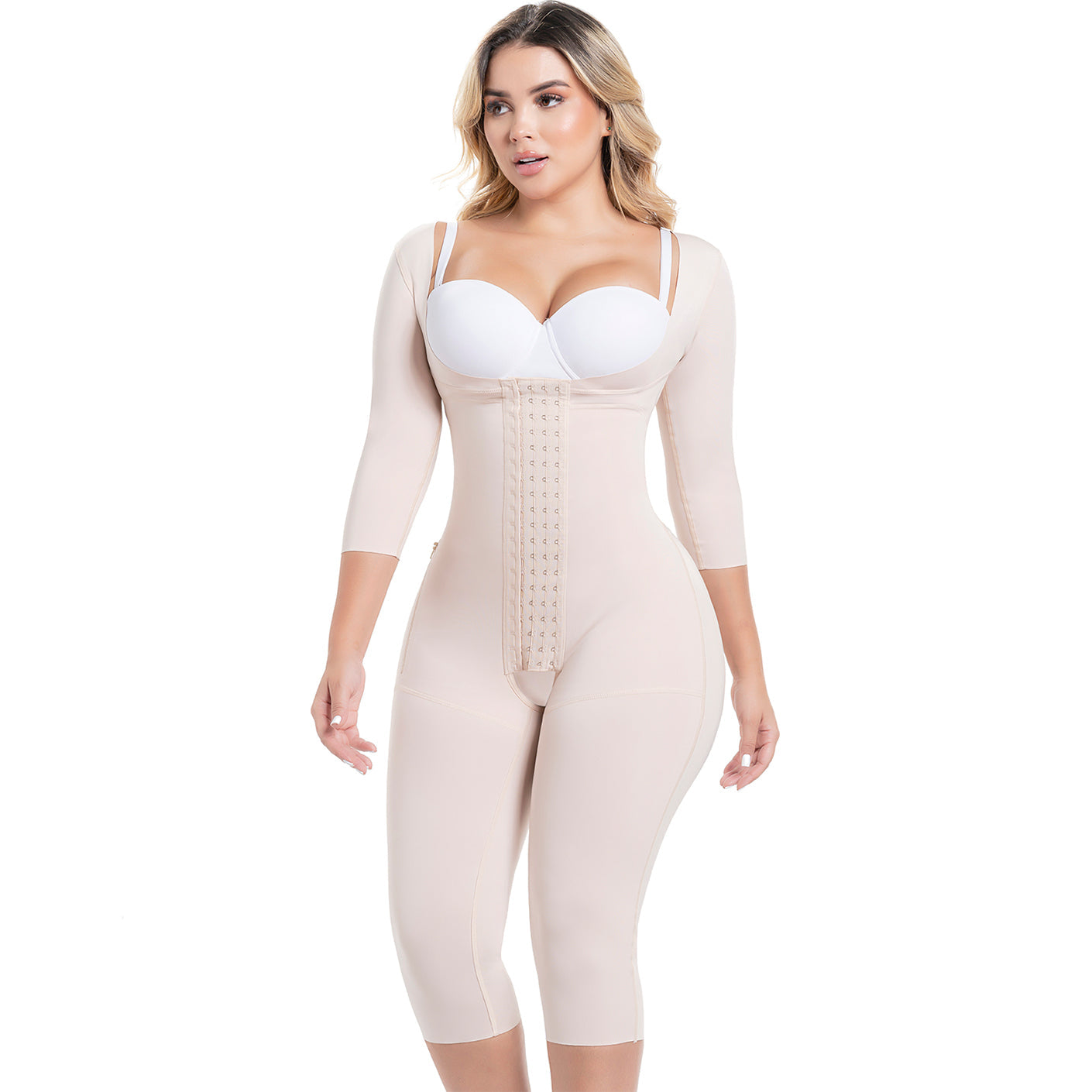
Liposuction removes excess fat, but your body's recovery depends on consistent, proper compression. A liposuction faja isn't just shapewear—it's a clinical tool that supports healing, prevents complications, and sculpts results.
This guide walks you through faja selection for each recovery stage, covering standard lipo, 360 lipo, and arm & thigh procedures.
Stage 1: Days 1–6 Weeks Post-Op (Firm Compression Phase)
The first weeks are critical. Your body is managing surgical trauma, fluid shifts, and initial skin retraction. Your faja must provide:
- Firm, even compression (Class II–III): Supports tissue healing and prevents seroma/hematoma buildup.
- Flat seams: Reduces irritation over fresh incisions.
- Breathable fabric: Essential for 24/7 wear without maceration or infection risk.
- Zip closures: Easier to don/doff without disrupting incisions or drains.
- Incision compatibility: Drain holes or strategic gaps if you have post-op drains.
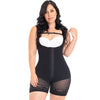
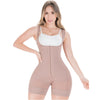
For standard abdominal liposuction (upper abdomen, lower abdomen, flanks), look for a high-waisted faja with reinforced abdominal panels. Sonryse and Salome Stage 1 fajas are engineered for this phase—their compression is intentionally firmer, and seams are positioned to avoid fresh incision lines.
Browse Liposuction Fajas designed for this critical first phase.
360 Liposuction (Full-Body Circumferential)
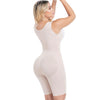
360 lipo targets abdomen, flanks, back, and sometimes waist for complete contouring. Compression demands are higher because you're managing surgical sites in a full-body zone. Choose a full-body or torso faja with extra reinforcement on flanks and sides. The back panel should mirror the front's compression intensity.
Arm & Thigh Liposuction
Arms and thighs require targeted compression sleeves or pants integrated into a torso faja, or worn separately. These areas are prone to fluid accumulation and loose skin. Look for graduated compression (firmer at the surgical site, tapering distally) to push fluid upward toward your lymphatic system.
Stage 2: Weeks 6–12 (Medium Compression & Sculpting Phase)
By week 6, initial swelling subsides, and your body begins refinement—adipose cells continue shrinking, and skin starts its retraction phase. Stage 2 fajas shift focus:
- Medium compression (Class I–II): Adequate support without over-restriction.
- Sculpting panels: Targets remaining irregularities, enhances contours.
- Comfort & flexibility: You're likely returning to light activity; your faja must move with you.
- Boning & strategic padding: Reinforces problem areas without visible lines.
Shop Stage 2 Fajas for weeks 6–12 of recovery.
Essential Faja Features for Liposuction Recovery
| Feature | Why It Matters for Lipo |
|---|---|
| Flat Seams | Prevents pressure points over incisions; reduces scar irritation and infection risk. |
| Zip Closure | Easy on/off without strain; essential if wearing with drains or dressing changes. |
| Foam Pads / Boning | Distributes compression evenly; prevents fibrosis and uneven skin texture. |
| Breathable Knit (Microfiber) | Allows sweat/moisture escape; reduces maceration and secondary infection. |
| High Waist | Covers all surgical zones; anchors compression from abdomen through flanks and back. |
How Long Should You Wear Your Lipo Faja?
Surgeon protocols vary, but the standard is:
- Weeks 1–6: 24/7 wear (remove only for showers or brief hygiene intervals).
- Weeks 6–12: 12–18 hours daily, gradually shifting to daytime-only.
- Weeks 12+: Transition to regular shapewear as directed; many patients continue light evening compression for 3–6 months.
Fibrosis risk remains elevated through month 3, so consistent wear is non-negotiable during Stage 1 and Stage 2.
Pairing Your Faja with an Abdominal Board
An abdominal board (or foam pad system) is worn under your faja and serves two critical roles:
- Prevents fibrosis: Fibrotic tissue creates hard, lumpy areas. A board distributes compression evenly, minimizing this risk.
- Improves skin retraction: Consistent, even pressure encourages skin-to-muscle reattachment and smoother results.
Start using an abdominal board around day 3–5 post-op (after drains are removed or positioned to allow the board) and continue through month 3.
"The combination of a clinical-grade faja plus an abdominal board is the gold standard for lipo recovery. You're not just compressing—you're actively guiding tissue healing." – Dr. Recovery Protocol Expert.
Faja Brands Trusted for Liposuction
Not all fajas are created equal. For lipo recovery, choose brands with a track record in post-surgical compression:
- Sonryse: Engineered for Stage 1 intensity; known for flat seams and drain compatibility.
- Salome: Balances compression with breathability; excellent for longer Stage 1/2 wear.
- Laty Rose: Specializes in targeted compression for regional lipo (arms, thighs, 360).
- MyD (M&D): Known for boning systems that prevent fibrosis.
- MariaE: Premium option for those prioritizing comfort alongside clinical compression.
Common Mistakes During Lipo Faja Wear
- Switching to regular shapewear too early: Shapewear doesn't provide medical-grade compression; you'll compromise healing.
- Skipping the abdominal board: Leads to higher fibrosis and visible lumps by month 4–6.
- Removing your faja to sleep: Healing doesn't pause at night. Keep it on (or upgrade to a lighter Stage 2 version once approved).
- Ignoring drain compatibility: If you have drains, ensure your faja has drain holes or you can safely access them without removing compression.
- Over-tightening: Compression should feel firm but not painful. Numbness, tingling, or sharp pain means adjust or consult your surgeon.
Frequently Asked Questions
1. When do I start wearing a faja after liposuction?
Most surgeons recommend starting immediately (within hours of surgery) or the next morning. Your body is vulnerable to seroma and hematoma in the first 48 hours, and compression is your first line of defense. Confirm your surgeon's exact timeline—some may ask you to wait if you're managing extensive drains.
2. How tight should my lipo faja be?
Tight enough that you feel sustained, even pressure—but not so tight that you're gasping or experiencing numbness. You should be able to fit two fingers under the waistband. If you feel sharp pain, pinching, or tingling, loosen slightly or contact your surgeon. Compression should feel supportive, not restrictive.
3. How many hours a day should I wear my faja after lipo?
Weeks 1–6: 24/7 (remove only for showers). Weeks 6–12: 12–18 hours daily. After 12 weeks: transition as directed by your surgeon. Skipping hours during the critical first 6 weeks increases your risk of complications—the goal is consistency, not perfection.
Your lipo faja is an investment in results. Choose wisely, wear consistently, and follow your surgeon's protocol. Recovery is a process, but the right faja makes all the difference.
-
Posted in
360 lipo, arm liposuction, compression faja, lipo fajas, liposuction recovery, post-surgical shapewear, thigh lipo