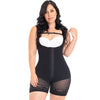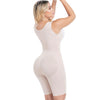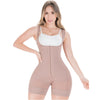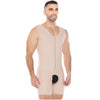
Faja Meaning: The Cultural Origins of Colombian Shapewear and Why the World Loves It
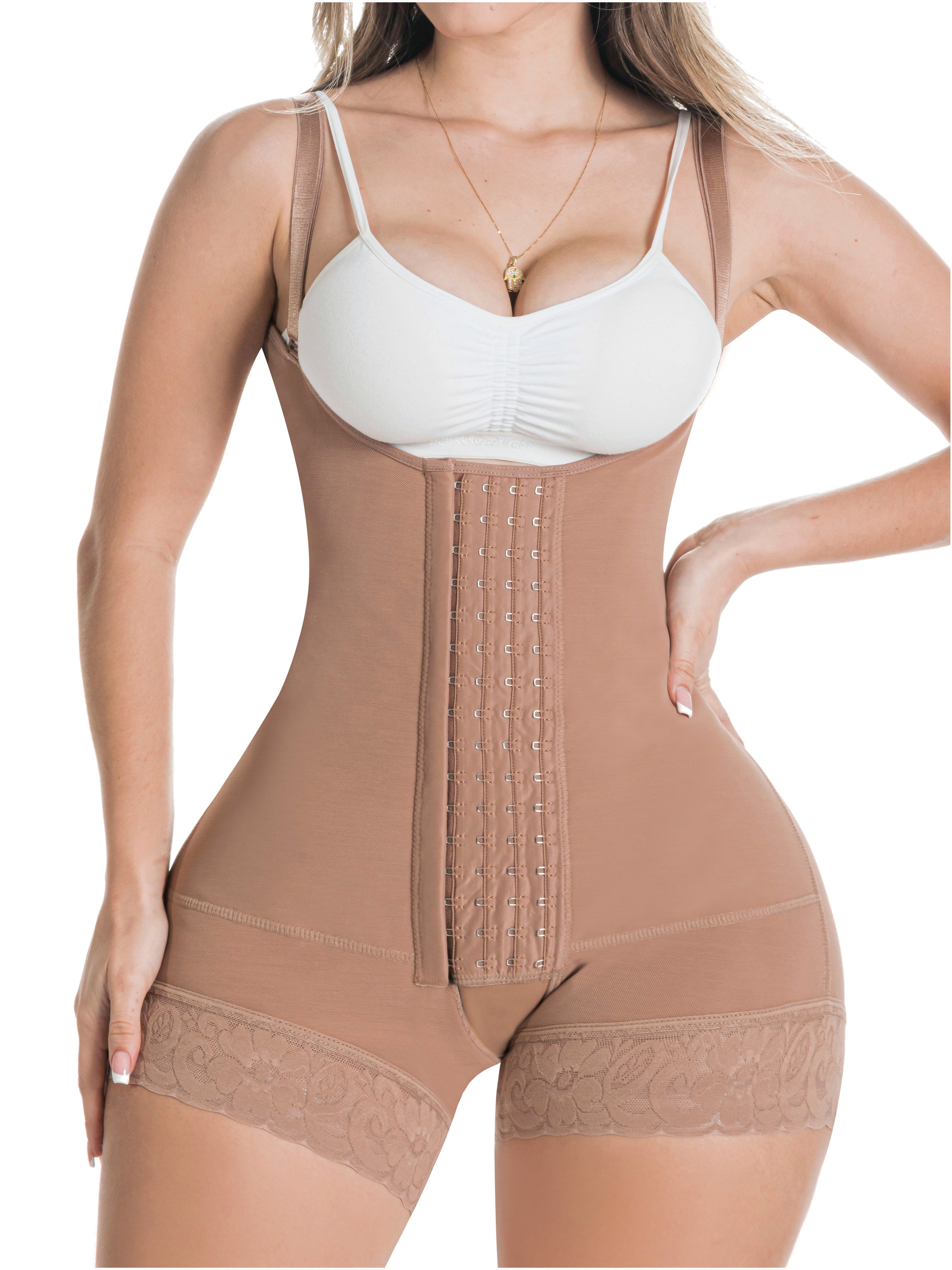
If you've heard someone mention a "faja," you might have wondered what the word means and where it comes from. The answer is richer than you'd expect — rooted in centuries of tradition, Latin American culture, and the precise engineering of modern shapewear.
Today, "faja" is a global word. But its journey from ancient bandaging practice to the compression garment you wear today tells a story of innovation, cultural pride, and the brilliant minds of Medellín, Colombia.
What Does "Faja" Mean? The Word's Journey Through History
The word "faja" comes from the Latin fascia, which means "band" or "bandage." In Spanish, faja has carried similar meanings for centuries — any kind of band, sash, or strip used to hold, support, or wrap the body.
In traditional Spanish and Latin American cultures, fajas were:
- Wide sashes or belts worn around the waist for decoration or support
- Bands used in post-childbirth recovery to support the abdominal wall
- Compression wraps used for back support during physical labor
- Ceremonial or formal wear elements in traditional dress
The concept of wearing a supportive band around the torso is ancient — found in cultures across Europe, Latin America, and the Middle East. But the modern faja as we know it today — the precision-engineered compression garment — is a distinctly Colombian innovation.
"A faja isn't just clothing; it's a tradition transformed by science." – Colombian fashion historian.
The Birth of Modern Fajas: Medellín, Colombia (1980s–1990s)
The story of the modern faja begins in Medellín, Colombia, often called the "Fashion Capital of Latin America." In the 1980s and 1990s, Colombian garment manufacturers — already known for their expertise in seamstress craftsmanship — began experimenting with compression fabrics and construction techniques.
What started as post-surgical recovery garments designed by medical professionals soon evolved into a sophisticated product line. Manufacturers realized that precise compression, strategic panel placement, and breathable synthetic blends could deliver results that went far beyond what traditional support wear could do.
Colombia's advantages were clear:
- Skilled textile workforce: Generations of seamstresses and garment workers with world-class expertise
- Access to synthetic fabrics: Proximity to petrochemical industries and international fabric suppliers
- Innovation culture: Medellín became a hub for experimenting with compression technology, hook-and-eye closures, and ergonomic design
- Body-conscious market: Strong local demand from Latin American women seeking contouring and post-procedure support
By the early 2000s, Colombian fajas had become world-renowned. Brands like Sonryse, Salome, Laty Rose, and others established Medellín as the epicenter of faja innovation — a reputation it holds today.
How Fajas Spread from Latin America to the US Mainstream
For decades, fajas remained primarily within Latin American and Caribbean communities. Mothers would gift them to daughters after childbirth. Women would wear them for special events. Post-surgical patients trusted them as part of their recovery protocol.
The shift to mainstream American awareness happened in stages:
Phase 1: Community Knowledge (1990s–2000s)
Latin American immigrant communities in the US brought faja culture with them. Word-of-mouth recommendations created devoted followers, especially in cities with large Colombian, Puerto Rican, and Venezuelan populations. Fajas were bought during trips home or ordered through informal channels.
Phase 2: Online Discovery (2000s–2010s)
As e-commerce and social media grew, faja awareness exploded. Beauty influencers, fitness enthusiasts, and everyday women began sharing their results on YouTube, Instagram, and forums. The word "faja" entered English-language searches. Google Trends shows dramatic increases in faja-related queries starting in the mid-2000s.
Phase 3: Mainstream Recognition (2010s–Present)
Celebrity endorsements, TV appearances, and inclusion in mainstream fashion media normalized the word "faja." Today, fajas appear in US retailers, celebrity fashion blogs, and lifestyle magazines. The term is no longer niche — it's become a household word, at least among women seeking high-performance shapewear.
"Fajas went from a secret passed between mothers and friends to something proudly worn and discussed openly." – Fashion journalist.
The Three Modern Meanings of "Faja"
Today, the word "faja" is used in three distinct contexts, each with its own purpose and timeline for wear:
| Type | Purpose | Duration |
|---|---|---|
| Post-Surgical Faja | Medical recovery after liposuction, tummy tuck, or other body contouring procedures. High compression for healing and fluid reduction. | 2–6 months post-op, worn continuously or as prescribed by surgeon |
| Postpartum Faja | Recovery and core support after childbirth (vaginal or cesarean). Helps with abdominal wall contraction and postpartum body changes. | 8–12 weeks postpartum, typically 4–12 hours daily |
| Everyday Faja / Daily Shapewear | Aesthetic body shaping and smoothing for everyday wear, special events, or as a confidence boost. Lighter compression than post-surgical or postpartum. | Worn as desired — hours to full day depending on comfort |
Why the World Fell in Love with Fajas
The global rise of fajas isn't accidental. Several factors have made them beloved across cultures:
1. Results-Driven Engineering
Colombian manufacturers obsess over compression zones, fabric blend, and closure systems. The science behind a faja is sophisticated — it's not just elastic wrapped around the body. It's precise support designed to shape, smooth, and support without sacrificing comfort.
2. Inclusivity and Body Diversity
Fajas come in extensive sizes, from XS to 4XL and beyond. They're designed for different body shapes, heights, and post-procedure needs. This inclusivity is refreshing in an industry that often only caters to narrow ranges.
3. Cultural Pride and Authenticity
Fajas carry cultural significance. Wearing a Colombian faja connects you to a tradition of women supporting women, mothers helping daughters, and a heritage of textile craftsmanship. This authenticity resonates deeply.
4. Affordability Meets Quality
Unlike luxury shapewear brands, Colombian fajas deliver premium results at accessible prices. You don't need to spend $200+ for serious compression and results.
5. Multi-Purpose Functionality
A single faja can work for post-surgical recovery, postpartum wear, daily shaping, and special occasions. That versatility is powerful.
Is "Faja" a Bad Word?
In Spanish, "faja" is not a bad word — it's simply the term for a compression band or shapewear garment. However, depending on context or regional slang, some Spanish speakers might use it humorously or colloquially.
In English-language conversations, "faja" is a neutral, professional term with no negative connotation. It's the standard word used by fashion journalists, medical professionals, and retailers worldwide.
The Plural of Faja: Fajas
The plural of "faja" in Spanish is "fajas." This is straightforward — just add an "s." You might hear or read phrases like "Colombian fajas" or "postpartum fajas" when discussing multiple garments or the category as a whole.
The Future of the Faja: Innovation and Global Growth
The faja market continues to evolve. Modern innovations include:
- Smart fabrics with moisture-wicking and temperature-regulating properties
- Seamless construction reducing visible panty lines
- Extended size ranges and custom-fit options
- Sustainable and eco-friendly compression blends
- Integration with shapewear collections beyond just waist support (full-body fajas, faja bras, faja leggings)
As global interest in body wellness, recovery, and confidence continues, the faja — rooted in centuries of tradition but powered by modern engineering — remains at the forefront of shapewear innovation.
Frequently Asked Questions
What does faja mean in Spanish?
Faja comes from the Latin word fascia, meaning "band" or "bandage." In Spanish, it refers to a supportive band, sash, or in modern context, a compression garment or shapewear.
Where do Colombian fajas come from?
Colombian fajas originate from Medellín, Colombia, where garment manufacturers in the 1980s-1990s refined compression technology and construction techniques. Colombia became the world center for faja innovation and is still the primary producer today.
Is faja a bad word?
No. Faja is a neutral, professional term in both Spanish and English. It simply means a compression garment or shapewear. There is no negative connotation.
What is the plural of faja?
The plural of faja is fajas. For example: "I own three fajas" or "Colombian fajas are popular worldwide."
Understanding the Faja: From History to Closet
The word "faja" carries within it a story — of Latin American tradition, of Colombian innovation, of mothers and daughters, and of women supporting their own bodies with science-backed tools.
Whether you're wearing a faja for post-surgical recovery, postpartum support, or daily confidence, you're part of a global community that trusts this garment. And now you know: it's not just shapewear. It's heritage transformed into precision engineering.
Explore Our Colombian Fajas Collection — Discover the full range of authentic, trusted brands that made this tradition world-famous.
-
Publicado en
colombian, compression garment, culture, faja, faja history, meaning, origins, shapewear