Post-Op Faja: What It Is, When to Wear It & Why It Matters for Your Recovery
You just had surgery—liposuction, a tummy tuck, a Brazilian butt lift, or another body contouring procedure. Your surgeon handed you discharge papers and mentioned something about a "faja post operatoria." Maybe you nodded, or maybe that term was brand new to you. Here's what you need to know: a post-op faja isn't optional equipment or a nice-to-have accessory. It's a critical part of your surgical recovery that can make the difference between excellent results and disappointing ones.
Let's break down what a faja post operatoria really is, why your surgeon recommended it, and how it supports your healing from the inside out.
What Is a Faja Post Operatoria?
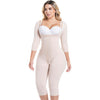
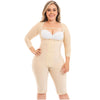
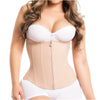
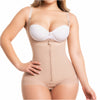
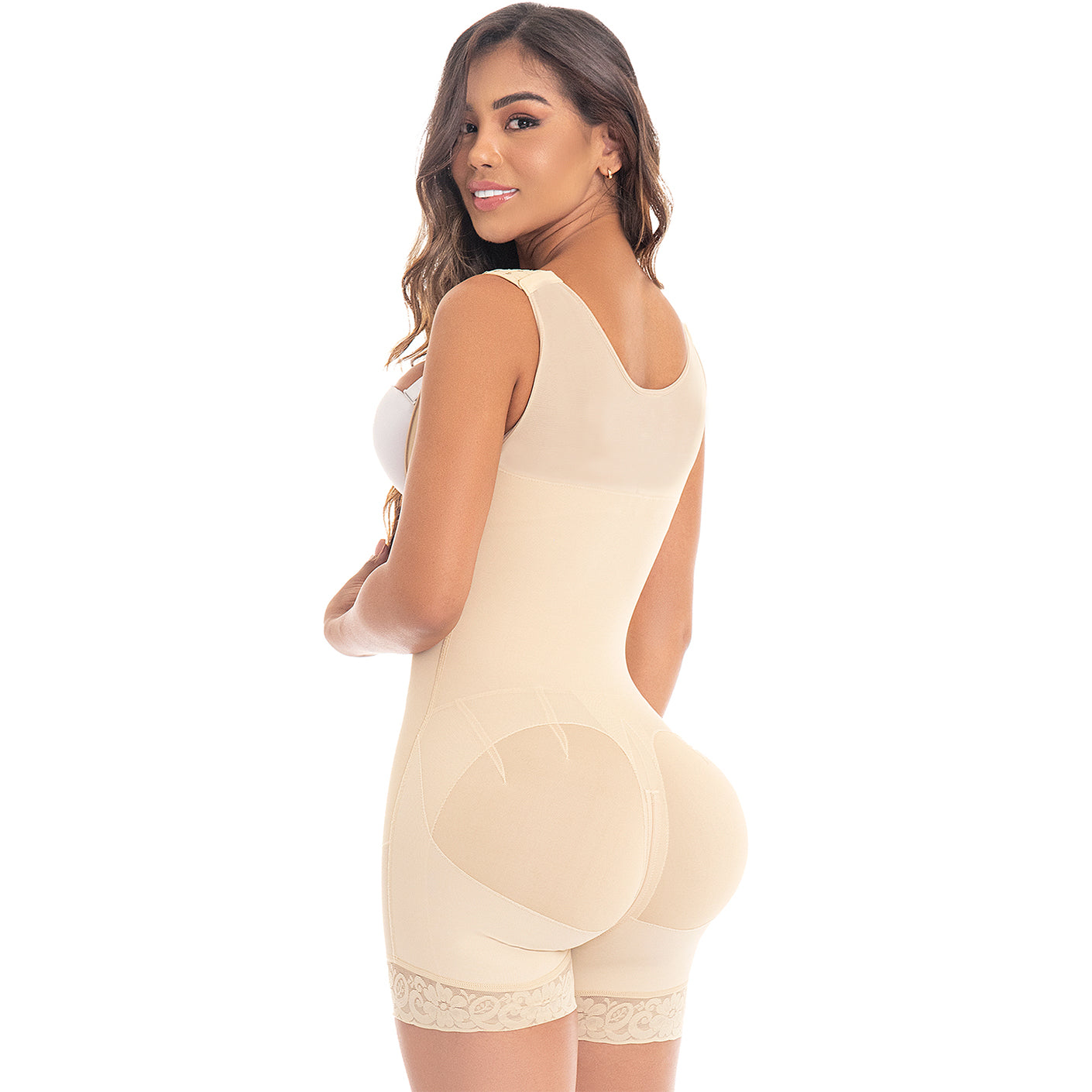
A faja post operatoria (also called a post-surgical faja, medical compression garment, or surgical compression band) is a high-compression, medical-grade garment worn after body contouring or cosmetic surgery. Unlike everyday shapewear or even standard postpartum fajas, a post-op faja is engineered for the intense compression needs of freshly surgical tissue.
Think of it this way: your body just experienced controlled trauma (the surgery). Fluid rushes to the area to help with healing. This fluid buildup (swelling) is normal, but uncontrolled swelling can compromise your results, delay healing, and increase discomfort. A post-op faja applies consistent, graduated pressure that:
- Compresses swelling and prevents fluid accumulation
- Reduces pain and bruising by stabilizing tissues
- Helps fat cells integrate and shape properly (especially after lipo or BBL)
- Prevents seromas (pockets of fluid under the incision)
- Supports the surgical area as you move, cough, and breathe
- Accelerates the healing timeline
It's essentially a medical device—not a fashion item. Most surgeons require you to wear a post-op faja for a specific period after surgery, and for good reason.
Why Surgeons Actually Recommend Post-Op Fajas
This isn't marketing. This is evidence-based medicine. Here's the science:
1. Compression Reduces Swelling Faster
After surgery, your body releases inflammatory fluids to the surgical site. This is healthy and necessary for healing, but excessive fluid buildup delays results and increases pain. Medical-grade compression applies pressure that limits fluid accumulation, keeps swelling manageable, and gets you back to feeling normal faster. Studies on post-surgical compression show measurably faster swelling reduction compared to no compression.
2. Prevents Seromas (Fluid Pockets)
A seroma is a pocket of fluid that collects under the incision when tissues separate. Small seromas often reabsorb on their own, but large ones can require drainage or additional procedures. Consistent compression from a faja post operatoria significantly reduces seroma risk by keeping tissues pressed together as they heal. This is especially important after liposuction, where larger tissue planes need time to reattach.
3. Supports Optimal Fat Cell Placement (Post-Lipo & BBL)
If you had liposuction or a Brazilian butt lift, the fat cells that were harvested or transferred are settling into new locations. The compression from your faja helps those cells integrate smoothly into surrounding tissue, reduces the risk of lumps or uneven contours, and helps them survive the transfer (especially critical for BBL). Without compression, you're more likely to develop visible rippling, irregularities, or asymmetry.
4. Stabilizes Tissues During Movement
Even gentle movement—walking, bending, coughing, sneezing—creates micro-trauma to freshly sutured areas. A post-op faja stabilizes the surgical zone so that normal daily activities don't stress your incisions or disrupt the healing process. This stability also translates to significantly less pain during movement.
5. Psychological Comfort & Compliance
Pain and swelling are demoralizing. Many patients stop moving (out of fear) or push too hard too soon (out of impatience), both of which delay healing. Wearing a compression faja reduces pain and swelling so noticeably that patients feel empowered to follow their recovery protocol correctly. They move when they should, rest when they should, and heal faster as a result.
Which Procedures Require a Post-Op Faja?
Almost any body contouring or cosmetic surgical procedure benefits from post-op compression. Here are the most common:
Liposuction (Including Vaser Lipo, Laser Lipo, Micro Lipo)
Lipo creates large tissue planes where fat is removed. These planes need to reattach and heal smoothly. A post-op faja is non-negotiable here. Most surgeons require 6-8 weeks of full-time wear, then another 4-6 weeks of part-time wear.
Brazilian Butt Lift (BBL)
A BBL combines liposuction (harvesting fat) with careful fat grafting (injecting fat into the buttocks). The transferred fat cells are vulnerable in the first 2-3 months. Compression protects the graft site, reduces inflammation, and helps maximize fat cell survival. Most surgeons require 24/7 compression for at least 4-6 weeks, sometimes longer.
Tummy Tuck (Abdominoplasty)
A tummy tuck involves large incisions and tissue repositioning. Post-op fajas keep the abdominal area stable, reduce swelling around the incision, and prevent strain during movement. Typically worn for 4-6 weeks full-time.
Arm Liposuction or Arm Lift
Arms are delicate zones with thinner skin. Compression after arm lipo prevents crepey skin appearance and supports the healing incision. A sleeved post-op faja or compression sleeve is standard.
Back Liposuction or Back Lift
Back lipo creates visible swelling and bruising if not compressed. A full-back or wraparound post-op faja prevents fluid accumulation and awkward asymmetry during healing.
Thigh Liposuction, Inner Thigh Lift, or Outer Thigh Lift
Thighs are high-movement areas, so compression is essential to prevent stress on incisions. Thigh-specific post-op fajas or compression shorts are typically worn for 6-8 weeks.
Other Procedures
Post-op fajas also benefit patients recovering from gynecomastia surgery (male chest), neck liposuction, face and neck lifts, and other contouring procedures. When in doubt, ask your surgeon.
Post-Op Faja Stages: Stage 1 vs. Stage 2
Your post-op recovery isn't one-size-fits-all. Most surgical protocols involve two stages of compression:
Stage 1: High Compression (Weeks 0-4)
Immediately after surgery through the first 4 weeks, you'll wear a Stage 1 (high-compression) faja. This garment provides maximum compression—typically 70-90 mmHg or higher—to aggressively reduce swelling, prevent seromas, and stabilize tissue. You'll wear it most of the day and night (with breaks for bathing and wound care). Stage 1 is firm, sometimes uncomfortably so at first, but it delivers the most dramatic swelling reduction in the first days and weeks.
Stage 2: Medium Compression (Weeks 4-8 or Longer)
After your surgeon clears it (usually around week 4, sometimes week 6), you'll transition to a Stage 2 (medium-compression) faja with compression around 40-60 mmHg. This garment is slightly more comfortable and breathable than Stage 1, but still provides significant support as tissues continue healing and reshaping. You'll wear it during waking hours—typically 8-12 hours daily—for another 4-8 weeks depending on your procedure.
Some patients continue Stage 2 compression even longer for optimal results, especially after liposuction or BBL where fat integration takes time.
How Long Do You Actually Need to Wear a Post-Op Faja?
This depends entirely on your procedure and your surgeon's protocol. Here's a general timeline:
Liposuction Alone
Stage 1: 4-6 weeks full-time. Stage 2: 4-6 weeks, 8-12 hours daily. Total: 8-12 weeks of active compression wear.
Brazilian Butt Lift
Stage 1: 4-6 weeks full-time (24/7 except for bathing). Stage 2: 4-6 weeks, 8-12 hours daily. Many surgeons recommend continued part-time wear (4-6 hours daily) for an additional 4-6 weeks. Total: 3+ months of total compression, 2-3 months of active wear.
Tummy Tuck
Stage 1: 2-4 weeks full-time. Stage 2: 2-4 weeks, 8-12 hours daily. Total: 4-8 weeks of active compression.
Arm Liposuction
Stage 1: 3-4 weeks full-time. Stage 2: 3-4 weeks, daily wear. Total: 6-8 weeks.
Your surgeon will give you specific timelines at your consultation. Follow their protocol—it's based on the specifics of your procedure and tissue healing capacity.
What Makes a Medical-Grade Post-Op Faja Different?
You might wonder: can't I just use a regular faja or postpartum girdle? The short answer is no. Here's why:
Compression Level: Medical-grade post-op fajas provide 60-90+ mmHg compression. Standard shapewear or postpartum fajas typically deliver 20-40 mmHg. That difference is significant.
Material & Breathability: Post-op fajas use medical-grade, hypoallergenic fabrics designed for sensitive, freshly sutured skin. They're antimicrobial to reduce infection risk and allow minimal moisture accumulation.
Closure Systems: Most post-op fajas have easy-open front or side closures for simple dressing and undressing without straining your incision. Many have reinforced panels to target specific surgical areas.
Support & Stability: The construction (multiple layers, strategic boning, reinforced seams) is engineered to stabilize tissue planes, not just smooth your silhouette.
Using a standard shapewear won't hurt you, but it won't deliver the medical-grade compression your fresh surgery needs. Your surgeon may require a specific brand or type—follow their recommendation.
Real Talk: Wearing a Post-Op Faja Is Uncomfortable
Let's be honest. A Stage 1 post-op faja is snug. It can feel restrictive, itchy, and hot. Here's how to manage:
- Wear it over a thin cotton tank or t-shirt to prevent direct skin contact and reduce itching.
- Take breaks for bathing and wound care as directed by your surgeon.
- Stay hydrated and avoid salty foods to manage overall swelling (which makes the faja feel tighter).
- Sleep with it on during Stage 1 for maximum compression (many patients find this surprisingly comfortable once they adjust).
- Talk to your surgeon about discomfort—if it's causing pain or skin irritation, they may adjust your size or recommend a different style.
- Remember the discomfort is temporary, but the results are long-term—staying compliant now pays off.
Most patients report that by week 2-3, they adjust to the sensation and actually prefer wearing it because they feel so much better with the support.
Key Takeaways: Why Your Post-Op Faja Matters
"A post-op faja isn't an accessory—it's the most important non-surgical investment you can make in your healing. Patients who wear their post-op compression as prescribed heal faster, experience less pain, and achieve better results. Patients who skip it often regret it." – Carlos Méndez, Surgical Recovery Specialist.
Your surgeon spent hours sculpting your body. A post-op faja protects that investment by ensuring optimal healing, smooth results, and minimal complications. Wear it as directed. It's the difference between good results and exceptional ones.
Ready to Order Your Post-Op Faja?
Browse our collection of medical-grade post-surgical compression garments, curated for maximum support and comfort during recovery. Each faja is designed to work alongside your surgeon's protocol for the best healing outcomes.
Post-Surgical Compression Garments
Frequently Asked Questions
1. What is a faja post operatoria?
A faja post operatoria is a medical-grade compression garment worn after body contouring or cosmetic surgery. It provides high compression (60-90+ mmHg) to reduce swelling, prevent seromas, stabilize tissue, and support optimal healing and results.
2. Do I really need a faja after surgery?
Yes. Your surgeon likely made this a requirement for good reason. Post-op compression significantly reduces swelling, pain, bruising, and complication risk while optimizing your final results. Patients who wear their post-op faja as prescribed heal faster and see better outcomes than those who don't.
3. How long do I need to wear a post-op faja?
It depends on your procedure. Most patients wear Stage 1 (high compression) for 4-6 weeks full-time, then transition to Stage 2 (medium compression) for another 4-6 weeks of part-time wear. Total active compression is typically 8-12 weeks. Your surgeon will provide specific timelines for your procedure.
4. What's the difference between a Stage 1 and Stage 2 faja?
Stage 1 is high compression (70-90+ mmHg), worn full-time in the first 4-6 weeks to aggressively reduce swelling immediately after surgery. Stage 2 is medium compression (40-60 mmHg), worn part-time (8-12 hours daily) for weeks 4-8+ as your body enters the reshaping phase. Stage 2 is slightly more comfortable than Stage 1, but still provides significant support.
-
Posted in
BBL recovery, faja post operatoria, faja stages, liposuction recovery, post-op faja, post-surgical compression, postoperative care, surgical compression garment